
For fast meals at home or work, choose fully cooked heat and eat meals: fresh single-serve trays if you’re eating today, frozen multi-meal packs if you need a stocked freezer, and a local artisan deli pickup if ingredient quality matters more than ultra-low price. That’s the whole decision tree. The rest is just matching the format to your week.
Here’s how to sort it by situation:
- Commuter or desk lunch: a fresh single-serve tray that heats quickly and doesn’t need a fridge overnight.
- Family dinner: a family-size fresh or frozen portion, typically multiple servings, that reheats in a shared dish or oven.
- Stocking up for the week: frozen multi-meal packs, since they hold for extended periods without a quality drop.
- Feeding an older relative or someone with dietary limits: fresh, additive-light options with a visible ingredient list and clear portioning.
One number worth knowing before you buy anything: Health Canada requires pre-cooked refrigerated or frozen meals to be reheated to an internal temperature of at least 165°F (74°C) before you eat them, regardless of brand or format. If you want a local, fresh option instead of a supermarket freezer aisle, Pat’s Prime Cuts sells chef-prepared meals for same-day or next-day pickup in Georgetown and the surrounding Halton Hills area.
Key Takeaways
Fresh, chef-prepared meals from a local source and properly stored frozen multi-packs both solve the heat-and-eat problem well, as long as you reheat everything to 165°F (74°C) and check ingredient transparency before you buy.
| Point | Details |
|---|---|
| Match format to timeline | Choose fresh single-serve for same-day eating and frozen multi-meal packs for longer storage. |
| Reheat to 165°F every time | Use a probe thermometer on dense proteins since microwaves heat unevenly. |
| Vent and rest for even heating | Pierce film covers and let meals stand a minute or two before eating. |
| Check ingredients before buying | Full ingredient lists and clear heating instructions separate good providers from vague ones. |
| Consider Pat’s Prime Cuts for local pickup | The Georgetown shop offers chef-prepared, made-in-house meals with allergy-safe custom options and full ingredient transparency. |
Table of Contents
- How Do Heat and Eat Meal Services Actually Work?
- Fresh, Frozen, or Shelf-Stable: Which Format Fits Your Kitchen?
- What Should You Look For When Choosing a Provider?
- How Do You Safely Reheat and Store These Meals?
- Why Pat’s Prime Cuts Is a Strong Local Pick for Heat-and-Eat Shoppers
- What Do Heat and Eat Meals Typically Cost?
- How Long Does It Take From Order to Meal in Hand?
- Comparing Heat-and-Eat Providers: What Each Format Does Well
- What Happens If You Need to Cancel or Return an Order?
- Does Packaging Choice Matter for Sustainability?
- A Publisher’s View on Artisan vs. Mass-Market Heat and Eat Meals
- Order Ahead or Pick Up Fresh: How Pat’s Prime Cuts Fits Your Week
- Frequently Asked Questions
- Sources
How Do Heat and Eat Meal Services Actually Work?
Most heat and eat services follow the same three-step logic: you pick meals from a menu or fridge case, the provider cooks and packages them, and you finish the job at home with a microwave, oven, or stovetop. The differences show up in how that first step happens and how fast the food gets to you.
Three ordering models cover almost every provider you’ll run into:
- Grab-and-go retail. You walk into a shop or deli counter, pick from what’s fresh that day, and take it home immediately. No advance order, no delivery window.
- Weekly subscription boxes. You choose meals online on a set schedule, they arrive frozen or chilled on a delivery day, and you build a rotating stash in your fridge or freezer.
- Bulk or catering pickup. You order ahead for a group, an event, or a multi-week stretch, and pick up a larger batch at a scheduled time.
Packaging usually tells you which model you’re dealing with before you even read the label. A tray marked “ready in 2 to 5 minutes in a microwave” is built for the grab-and-go crowd. A vacuum-sealed frozen block with a “thaw 24 hours before heating” instruction is built for the subscription-box crowd, meant to survive a week in transit. Some providers, like the Cafe Spice line of Indian entrées, print microwave, stovetop, and oven instructions all on one package, which tells you the brand expects a wide range of kitchen setups.
Pro Tip: If a provider’s website doesn’t tell you the heating method before you order, call and ask. A shop that can’t answer that question in ten seconds probably isn’t giving you clear instructions on the package either.
Fresh, Frozen, or Shelf-Stable: Which Format Fits Your Kitchen?
The format question comes down to three real categories: fresh refrigerated, frozen, and shelf-stable ready-to-eat. Grocery retailers often label these as ready-to-eat, ready-to-heat, and ready-to-cook, and that labeling system is worth learning because it tells you exactly how much work is left before the food hits your plate.
Fresh refrigerated meals taste closest to home cooking and usually reheat fastest, but they have a short window, typically a few days, before quality drops. Frozen meals trade a bit of texture for a much longer shelf life and total flexibility on when you eat them. Shelf-stable options sit in a pantry and need no refrigeration at all, which makes them the outlier for portability but usually the weakest on flavor and ingredient simplicity.
- Fresh vs. frozen: fresh wins on taste and short heating times; frozen wins on storage life and letting you buy in bulk without waste.
- Single-serve vs. family-size: single-serve controls portions and cuts food waste for one person; family-size lowers the cost per serving but only makes sense if everyone’s eating the same night.
- Packaging type: film-sealed trays vent steam and heat evenly but generate more plastic waste; some artisan providers now offer paper or compostable containers as a lower-waste alternative.
| Format | Refrigerated hold | Freezer life | Best-before guidance |
|---|---|---|---|
| Fresh, refrigerated only | 2 to 4 days | Not designed to freeze | Check date on package; eat promptly |
| Fresh, freezer-safe | 2 to 4 days | Up to 2 to 3 months | Freeze before the refrigerated window closes |
| Commercial frozen tray | N/A (store frozen) | several months frozen, per label | Follow manufacturer’s printed date |
Storage figures above are general estimates for typical home refrigeration and freezing. Always defer to the specific date printed on your package, since ingredient mix and packaging method shift these numbers meal to meal.
What Should You Look For When Choosing a Provider?
Prioritize five things, in this order: ingredient quality, clear heating and storage instructions, portion size that matches your appetite, nutrition transparency, and a delivery or pickup setup that fits your schedule. Skip any provider that fails on more than one of these.
Here’s a checklist that takes two minutes to run on any provider’s website or package:
- Ingredient list is visible before purchase, not buried in a PDF or missing entirely.
- Heating instructions are specific, naming a time, a wattage assumption, and a target temperature, not just “heat and enjoy.”
- Portion size is stated in grams or ounces, not a vague “serves 1 to 2.”
- Nutrition facts are printed or linked, ideally with protein content called out since that’s what most heat and eat buyers care about most.
- Delivery area or pickup hours are clearly listed, with no surprise “we don’t service your postal code” after checkout.
When you’re comparing two providers side by side, ask directly: “What temperature do you recommend for reheating this?” and “Is this made fresh in-house or shipped in from a third-party kitchen?” A provider that hesitates on either question is telling you something.
Red flags worth walking away from:
- No ingredient list anywhere on the package or website.
- Heating instructions that just say “microwave until hot” with no time or temperature.
- Vague delivery windows like “sometime this week.”
- No visible nutrition information at all, even a basic per-serving breakdown.
On pricing, single meals cost more per serving than subscriptions or bulk packs, but subscriptions lock you into a schedule you may not need every week. If your appetite for a given cuisine changes often, paying a bit more per meal for flexibility usually beats a discount you can’t fully use.
How Do You Safely Reheat and Store These Meals?
Reheat every pre-cooked meal to an internal temperature of at least 165°F (74°C), and use a probe thermometer if you’re not sure a microwave has hit that mark evenly. This is a food safety requirement, not a suggestion, and it applies whether the meal came from a supermarket freezer or a local deli counter.

Pro Tip: A $10 probe thermometer solves the single biggest reheating mistake: assuming the center of a thick portion is as hot as the edges. It almost never is.
The gap between “looks hot” and “is safe” usually sits in the center of dense proteins, like a thick chicken breast or a meatloaf-style portion, where microwaves heat unevenly. Health Canada’s guidance specifically calls out piercing or peeling back plastic film before microwaving, so steam can escape instead of building pressure, and letting the meal stand a couple of minutes after heating so the temperature evens out through the whole portion.
You’ll sometimes hear meal-prep circles refer to a “3-3-3 rule” as a rough memory aid: roughly 3 days as the safe refrigerated window for most cooked meals, roughly 3 months as a reasonable frozen storage target before quality (not safety) starts to fade, and a rough 3-minute ballpark for a quick microwave reheat on a single-serve tray. Treat the storage numbers as general planning guides, not lab-tested limits. Only the 165°F reheating target is a hard safety rule.
A few habits that make a real difference:
- Pierce or vent the film cover before microwaving so steam doesn’t build up and heat spreads more evenly.
- Stir or rotate the meal halfway through if your microwave doesn’t have a turntable.
- Let it stand for a minute or two after the timer ends. This step alone fixes most “cold in the middle” complaints.
- Check dense pockets, like thick meat cuts or stuffed centers, with a thermometer rather than trusting a timer setting.
Manufacturer instructions on packages, like the reheating steps printed on a Tai Pei frozen entrée, typically assume a 1,200 watt microwave. If your microwave is weaker, usually 700 to 900 watts for a lot of apartment models, add time in 30-second increments and check the center before eating.
Why Pat’s Prime Cuts Is a Strong Local Pick for Heat-and-Eat Shoppers
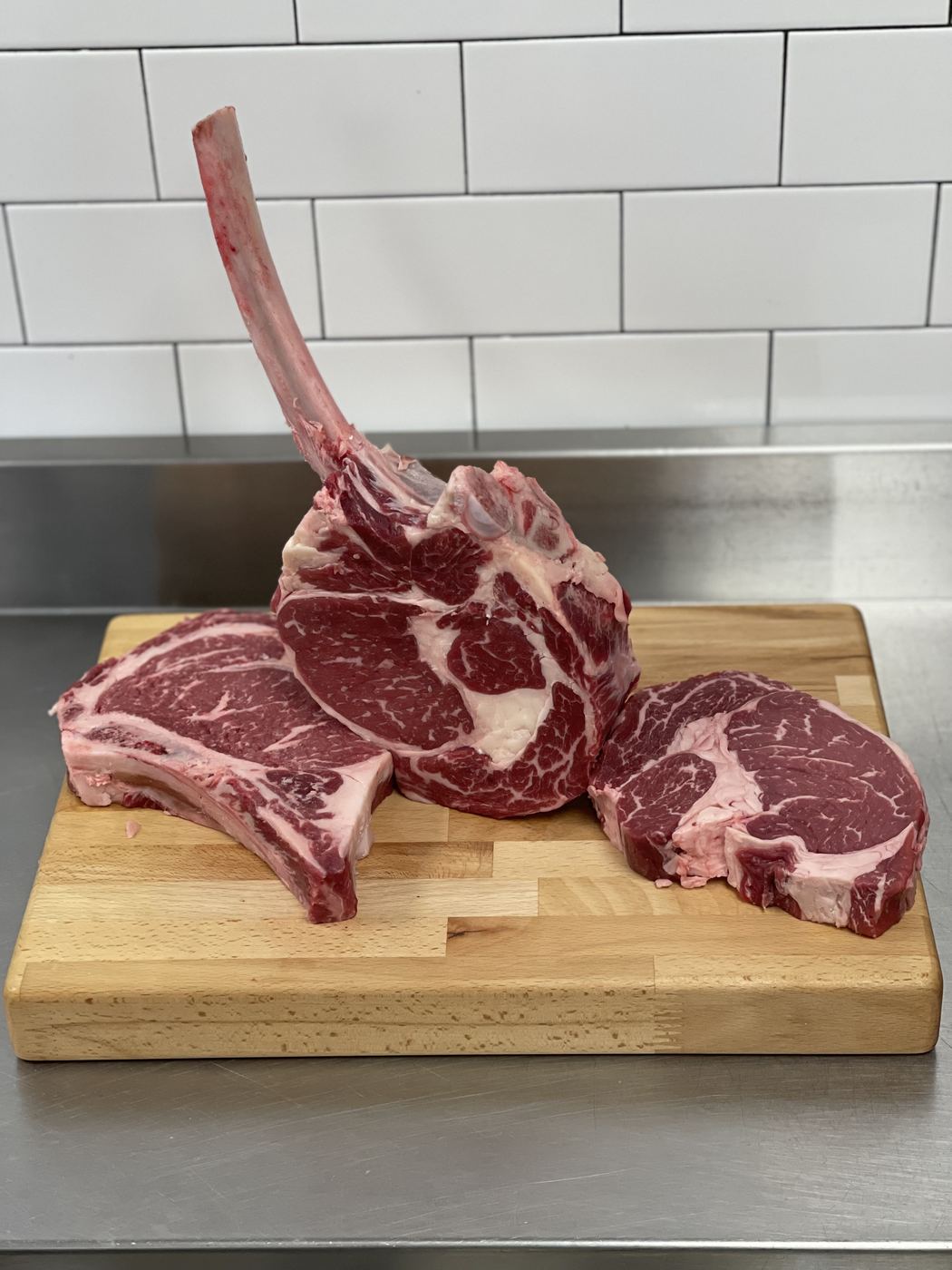
If you want a chef-prepared, fresh heat-and-eat meal made by hand rather than pulled from a mass-market freezer case, Pat’s Prime Cuts has been doing exactly that in Georgetown for more than 70 years. The shop’s in-house kitchen turns out ready-to-heat entrées daily, alongside its custom-cut meats and made-in-house marinades.
A few examples of what’s typically on offer:
- Beef Stir-Fry, sold pre-marinated and cut for a fast stovetop or microwave finish, good for a single desk lunch or a quick family dinner split two ways.
- Homemade Roast Beef, prepared in-house and sliced to order, ideal reheated in the oven at low heat or sliced cold for sandwiches.
- Homemade Turkey Breast, a lean, family-size option that reheats well covered in foil at 325°F until warmed through.
What separates a shop like this from a supermarket frozen aisle comes down to a handful of concrete things: full ingredient transparency on custom orders, marinades made fresh in the shop rather than shipped in from a co-packer, and allergy-safe custom recipes built around what a specific customer actually needs. That last point matters if you or someone in your household is managing a food allergy and has been burned before by a “may contain” label on a mass-market package.
Pro Tip: Call ahead if you want a specific cut or marinade for pickup the same day. Small-batch shops sell out of daily specials faster than big grocery chains restock their freezer case.
To order, call the shop directly or check current offerings on the product pages before heading in, since fresh items rotate based on what’s made that day.
What Do Heat and Eat Meals Typically Cost?
Expect to pay more per serving for fresh, chef-prepared meals than for mass-market frozen dinners, and expect per-meal cost to drop when you buy in bulk or subscribe. That trade-off, price versus ingredient quality and convenience, is the entire pricing conversation in this category.
Local shops and small heat-and-eat providers commonly price fresh single-serve meals as a moderate premium over a basic frozen dinner, with better per-meal value showing up once you buy multi-meal bundles instead of one tray at a time. Treat any specific price you see quoted online as a snapshot, since fresh, chef-prepared pricing shifts with protein cost and portion size far more than shelf-stable products do.
Pricing models generally break down into a few patterns:
- Per-meal pricing at a deli counter or grab-and-go case, no commitment required.
- Subscription discounts for weekly or biweekly recurring orders, usually trading a lower per-meal price for a fixed schedule.
- Bulk pickup pricing, common with catering-style orders, where cost per serving drops as order size grows.
- Delivery and packaging fees, which some subscription services add on top of the meal price itself, separate from the food cost.
A few factors that move your cost per meal more than anything else:
- Protein type. A beef or lamb-based meal costs more than a chicken or plant-based one, almost always.
- Portion size. Family-size portions lower the per-serving cost but only pay off if you actually eat the whole thing before quality drops.
- Ingredient sourcing. Meals made with named, traceable cuts and house marinades cost more than commodity frozen dinners, but you’re paying for fewer fillers and more actual protein.
- Nutrition labeling. Providers that print full nutrition facts and dietitian-reviewed information sometimes charge slightly more to cover that extra work.
How Long Does It Take From Order to Meal in Hand?
Grab-and-go pickup at a local shop puts food in your hands the same day, often within minutes if the item is already prepared. Subscription meal deliveries usually run on a set weekly schedule, arriving on a fixed day whether you order Monday or Thursday. Bulk or catering orders need the most lead time, commonly a few days to a week, since they involve larger quantities and sometimes custom menu requests.
If you’re ordering for a specific event or a busy week, the safest approach is to call ahead and confirm the exact turnaround for whatever quantity you need. A single tray and a 20-person catering order are not on the same clock, even from the same kitchen.
Comparing Heat-and-Eat Providers: What Each Format Does Well
No single format wins on every category, which is exactly why the checklist earlier in this guide matters more than any one provider’s marketing.
Grocery store frozen aisles offer the lowest price point and the widest availability, since you can grab a meal on any shopping trip without planning ahead. The tradeoff is less ingredient transparency on average and heavier reliance on preservatives to hit a long shelf life.
Subscription meal delivery services offer convenience and variety without a store trip, and many now publish full nutrition breakdowns online. The tradeoff is a recurring commitment and delivery fees that add up, plus a wait of several days between ordering and the first box arriving.
Local artisan butchers and delis, like Pat’s Prime Cuts, offer the strongest ingredient transparency and same-day freshness, since meals are made in-house rather than shipped from a central facility. The tradeoff is a smaller service radius. You need to be near the shop, or willing to make the trip, to take advantage of it.
Weigh those tradeoffs against what you actually need this week rather than picking the option with the flashiest homepage.
What Happens If You Need to Cancel or Return an Order?
Policies vary a lot by provider type, so this is one area worth checking before you commit to a subscription or a large catering order. Subscription services typically require you to pause or cancel a set number of days before the next billing cycle, and missing that window usually means you’re charged for a box you didn’t want. Local shops selling grab-and-go or made-to-order items generally don’t offer refunds once a custom order is prepared, since the meal was made specifically for you, though most will work with you on a genuine quality issue if you raise it promptly.
If you’re catering an event through a local shop, confirm the cancellation window in writing, ideally by email, so you have a record of what was agreed if plans change. A good provider will tell you this policy without being asked. If a website doesn’t list any cancellation terms at all, that’s worth a phone call before you place a large order.
Does Packaging Choice Matter for Sustainability?
It does, and the differences are bigger than most shoppers assume. Film-sealed plastic trays dominate the frozen aisle because they’re cheap, durable in transit, and microwave-safe, but they generate plastic waste that most municipal recycling programs won’t accept due to food residue and mixed materials. Some providers have shifted to paper-based or compostable trays for fresh, short-shelf-life items, since those meals don’t need the same freezer-grade durability.

Local shops selling fresh, same-day meals have an advantage here: less packaging is needed overall when a meal is picked up rather than shipped, since there’s no need for insulated shipping boxes, ice packs, or extra padding to survive transit. If sustainability matters to your buying decision, ask a provider directly what their trays are made of and whether any part of the packaging is recyclable or compostable in your area. Not every “eco-friendly” label on a package means much once you check your own municipality’s recycling rules.
A Publisher’s View on Artisan vs. Mass-Market Heat and Eat Meals
The conventional wisdom says convenience and quality trade off against each other, that you either get a fast meal or a good one, not both. That framing is outdated. The real gap isn’t between fast and slow, it’s between meals made by a kitchen that knows your name and meals made by a facility that doesn’t. A local butcher who hand-cuts your protein and mixes a marinade in-house that morning is solving the same time problem as a frozen aisle, just with a shorter ingredient list and a face behind the counter.
Pro Tip: When comparing an artisan option to a mass-market one, ask one question: can they tell you exactly what’s in the marinade? A shop that made it themselves can answer instantly. A shop that bought it from a distributor usually can’t.
That doesn’t mean every artisan option beats every frozen dinner on every axis. Frozen packs win on shelf life and price predictability, full stop. But for anyone weighing quality over rock-bottom cost, and there are a lot of Canadians in that group given the market’s clear shift toward premium, deli-style prepared meals, a shop built around fresh preparation and named ingredients is the stronger bet more often than not. Check a product page before you commit to a subscription box you can’t easily inspect.
Order Ahead or Pick Up Fresh: How Pat’s Prime Cuts Fits Your Week
If you’ve read this far, you already know the checklist: transparent ingredients, clear heating instructions, and a portion size that fits how you actually eat. Pat’s Prime Cuts is built around exactly that, and it’s the local alternative to a supermarket frozen aisle for anyone in Georgetown or Halton Hills who wants a hand-made meal instead of a mass-produced one.

A few ways to put that to use this week: grab the Beef Stir-Fry for a fast weeknight dinner that finishes on the stovetop in minutes, stock your freezer with the Reserve Cuts Pack for a multi-meal stash that stretches over several weeks, or pick up the Homemade Turkey Breast for a lean family dinner that reheats evenly in the oven. Every item is made in-house with full ingredient transparency, and the shop offers allergy-safe custom recipes if you’re cooking around a specific restriction.
Call ahead for same-day pickup, or browse the full product lineup to see what’s fresh this week before you place your order.
Frequently Asked Questions
What’s generally considered the healthiest frozen meal option?
Look for a frozen meal with a short, recognizable ingredient list, a named protein source, and moderate sodium, rather than one built around fillers and heavy sauces. Nutrition transparency on the label is your fastest check.
What is the 3-3-3 rule for meal prep?
It’s an informal memory aid, not a safety regulation: roughly 3 days refrigerated for most cooked meals, roughly 3 months frozen before quality starts to fade, and about 3 minutes for a quick single-serve microwave reheat. The only hard safety rule underneath all of it is reaching 165°F (74°C) internally.
Can you freeze meals from a local butcher or deli?
Yes, as long as the item is labeled freezer-safe. Fresh deli meals not meant for freezing should be eaten within a few days; check with the shop directly if a specific item is freezer-safe, since not all fresh preparations hold up the same way in a freezer.
How do you reheat a meal without drying it out?
Cover it to trap moisture, use a lower microwave power setting for dense proteins instead of full blast, and let it stand a minute or two after heating so the temperature evens out before you dig in.
Do heat and eat meals need refrigeration before cooking?
Fresh meals do, right up until you heat and eat them. Frozen meals should stay frozen until you’re ready to thaw or heat them directly from frozen, depending on the package instructions.
Sources
For the safety side of reheating, Health Canada’s leftovers and reheating guidance is the one page to trust over any blog post, since it sets the actual 165°F standard and explains why venting film and standing time matter.
For practical microwave technique and meal ideas, Allrecipes’ collection of microwave dinners shows how full meals, not just single components, can be built around microwave cooking.
For a real example of how commercial packaging communicates heating steps, the instructions printed on a Tai Pei frozen entrée show the kind of specificity, minutes, wattage, and temperature, that a good heat-and-eat label should always include.
For ordering locally, check Pat’s Prime Cuts’ product pages for what’s fresh and available for pickup this week.
- Food safety tips for leftovers and reheating (Health Canada)


