
Build your Christmas menu around passed appetizers, one or two roasted mains, reheatable sides, make-ahead desserts, and a simple drink station. Your first decision is menu style: traditional roast, casual buffet, or a themed spread. Your second is plated versus buffet service. Make-ahead timelines, safe reheating rules, and allergy-safe guidance follow, so you can order or cook with confidence.
TL;DR:
- Freeze meatballs, sausage rolls, soups, braises, and cookie dough ahead; refrigerate trifles, gratins, cheesecakes, and grain salads for a day or two.
- Reheat food to 74 °C (165 °F), hold hot buffet dishes at 60 °C or above, and replace perishables after two hours at room temperature.
- Ask about all 11 priority allergens when guests RSVP, then provide labeled portions prepared separately with dedicated utensils for anyone reporting a serious allergy.
- Choose plated service for formal dinners and portion control, buffets for casual groups, and stations to spread guests out and shorten lines.
Table of Contents
- 1. Festive catering ideas by course: appetizers, mains, sides, desserts, and drinks
- 2. How to plan make-ahead dishes for a catered Christmas event
- 3. Food-safety and reheating rules for holiday catering
- 4. How to accommodate diets and allergies at a catered Christmas event
- 5. Plated, buffet, or stations: which serving format and portions work best?
- 6. Sample Christmas menu templates for common event sizes
- 7. How to use house-made marinades, sauces, and ready meals on a Christmas menu
- 8. Creative ways to cook with custom-cut meats and house sausages
- 9. Pairing deli sandwiches with festive themes for holiday gatherings
- 10. How to personalize your Christmas catering order for guests and event type
- 11. Why we plan holiday menus around the host, not the trend
- 12. Book your Christmas catering with Pat’s Prime Cuts
- FAQ
- Sources
1. Festive catering ideas by course: appetizers, mains, sides, desserts, and drinks
A good catered Christmas menu scales without losing quality. Dishes should portion cleanly, hold at temperature, and look good after a short ride in a van. Here is how we think about each course.
Appetizers that portion easily
- A charcuterie and cheese board with cured meats, pickles, and crackers lets guests graze while you finish the mains.
- Mini crostini topped with roast beef and horseradish cream are easy to build ahead in trays.
- Stuffed mushrooms bake in bulk and hold well in a warm oven.
- Cocktail meatballs in a sweet and savory glaze sit happily in a chafing dish.
- Festive skewers with turkey, cranberry, and sage are handheld and tidy.
- Sausage rolls made with house sausage meat suit a crowd and reheat quickly.
- Smoked salmon on rye rounds adds a cold option, kept on ice until served.
Mains that travel and hold well
- Roast turkey breast slices evenly and stays moist under gravy.
- Glazed ham carves into neat portions and works hot or at room temperature.
- Beef tenderloin is the classic showpiece for a formal dinner.
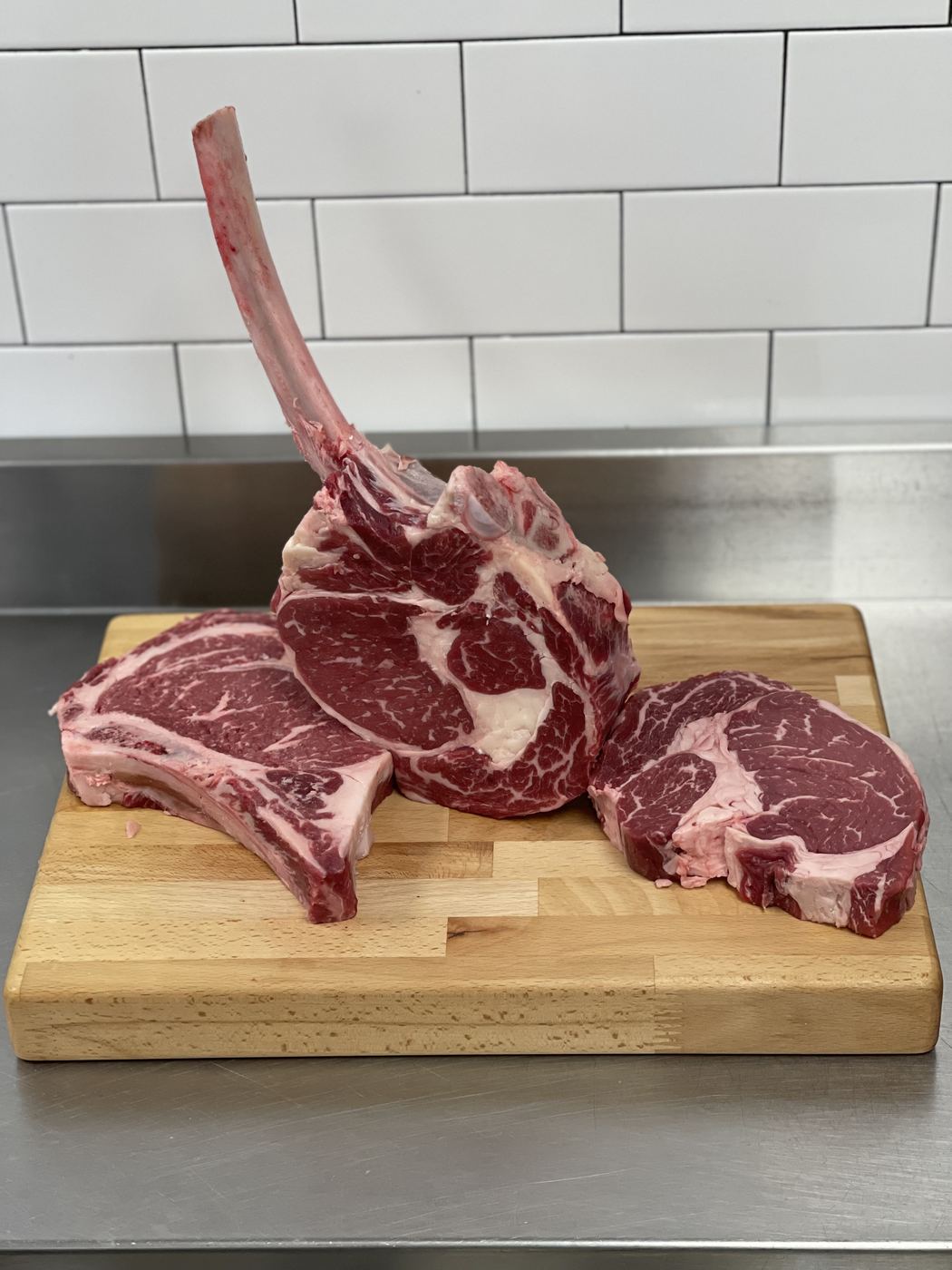
- Boneless ribeye roasts deliver rich flavor and carve cleanly at a station.
- Braised short ribs get better when made a day ahead and gently reheated.
- Vegetarian lasagna layered with roasted squash and spinach feeds guests who skip meat.
- Stuffed squash with grains, herbs, and dried cranberries makes an eye-catching plant-based main.
- Honey garlic or herbed sausages round out a casual buffet.
Sides that reheat and plate consistently
- Roasted potatoes with rosemary hold shape better when slightly undercooked, then finished in the oven.
- Root vegetables such as carrots, parsnips, and beets roast in bulk.
- Potato or celeriac gratin cuts into uniform squares for plating.
- Green beans blanched ahead can be tossed in butter at the last minute.
- Grain salads with wild rice, pecans, and cranberries taste good cold or at room temperature.
Desserts for buffets or plated service
- Mini tarts, from pecan to lemon, need no slicing and no plates.
- Slices of yule log look festive and cut into easy portions.
- Cookie trays work for every age group and every event size.
- Make-ahead trifles in cups can be assembled in advance.
- Cold cheesecakes set overnight and slice cleanly.
Drinks
Set up a self-serve station with sparkling water, a hot cider urn, coffee, and tea. For a simple signature cocktail, mix cranberry juice, sparkling wine, and a splash of orange liqueur over ice, with a rosemary sprig as garnish. Offer a non-alcoholic version using ginger beer so every guest has a festive glass.
If you want a full curated Christmas dinner for comparison, Canadian Living’s Christmas dinner guide collects recipes across courses and shows how readers tend to favor complete menus from appetizers through cocktails.
2. How to plan make-ahead dishes for a catered Christmas event
The calmest hosts stage their work across a timeline instead of cramming it into the final day. Grocery make-ahead checklists stage tasks from a month out down to the day of, so hosts spend the final hours finishing and presenting rather than cooking from scratch. Here is a timeline we use with our own customers.
- One month out: Confirm your guest count, menu style, and serving format. Book catering, order a specialty roast, and collect dietary needs from guests. Make and freeze cookie dough, meatballs, and pastry shells.
- Two weeks out: Finalize the menu and place your order with us if you are using a caterer. Buy shelf-stable items and drinks. Freeze soups, sauces, and braised dishes that reheat well.
- One week out: Confirm delivery or pickup time. Check serving dishes, chafing racks, and fuel. Plan fridge space, since this is the part hosts forget most often.
- Two days out: Thaw frozen items in the refrigerator, not on the counter. Assemble trifles, cheesecakes, and cold salads. Blanch green beans and prep root vegetables.
- Day before: Cook braised short ribs, gratins, and gravies, then chill them in shallow containers. Set tables and label serving dishes.
- Day of: Reheat, carve, and finish. Crisp potatoes in a hot oven, warm sauces on the stove, and dress salads right before serving.
What freezes, what holds in the fridge, what finishes last
Meatballs, sausage rolls, soups, braises, and cookie dough freeze well. Gratins, trifles, cheesecakes, and cold grain salads hold in the fridge for a day or two. Green beans, crisp potatoes, and carved roasts finish close to service.
Transport and delivery checklist
Pack hot food in insulated carriers and cold food with ice packs. Keep sauces in separate containers so crisp items stay crisp. Label each tray with reheating instructions, and check that warming equipment works before guests arrive.
3. Food-safety and reheating rules for holiday catering
Holiday food sits out longer than weeknight food, so the rules matter more. Canada’s official guidance sets 74 °C (165 °F) as the reheating temperature for leftovers and egg dishes, and says perishable food should not stay at room temperature for more than two hours.
Reheat to 74 °C (165 °F) and never leave perishable food out for more than 2 hours. Use an instant-read thermometer rather than guessing by color or steam.
Buffet handling
Keep hot dishes at or above 60 °C using chafing dishes or warming trays, and keep cold dishes on crushed ice. Replace trays rather than topping them up, so older food never sits under fresh food. Federal guidance for safe food handling stresses keeping cold food cold, hot food hot, and refrigerating raw meat as soon as possible.
Cooling leftovers
Divide leftovers into shallow containers so they chill quickly, and get them into the fridge within the two-hour window. Our own guide to safe meat temperatures covers the internal temperatures to hit for each cut.
Higher-risk foods
Egg-based dishes, seafood, and creamy deli spreads deserve extra care. Serve them in small portions set over ice, and swap trays often. If a dish has been out near the two-hour mark, it is safer to replace it than to hope for the best.

4. How to accommodate diets and allergies at a catered Christmas event
Allergies do not take a holiday, and a host who plans for them looks relaxed on the day. The priority allergen list includes 11 items: milk, eggs, peanuts, tree nuts, crustaceans and molluscs, fish, mustard, sesame seeds, soy, sulphites, and wheat or triticale. Ask about all of them when you collect RSVPs.
- Ask guests about allergies and dietary needs on the invitation, not at the door.
- Offer a plated or pre-portioned meal for guests with serious allergies, prepared away from the main buffet.
- Use dedicated utensils and separate prep areas to avoid cross-contact.
- Post ingredient lists and clear signage at every station.
- Brief servers so each one can say what is in a dish and where it was prepared.
Food Allergy Canada advises caterers and hosts to be proactive: build a communication plan, make ingredient lists accessible, provide cross-contamination-free options for disclosed life-threatening allergies, and brief staff. For hosts who want a caterer to handle this, we make allergy-safe custom recipes to order. Our guide to gluten-free catering questions and vegetarian catering ideas cover two other common requests.
Pro Tip: Keep a single printed card per dish listing its ingredients and the allergens it contains, and tape a duplicate inside the kitchen so servers can check at a glance.
5. Plated, buffet, or stations: which serving format and portions work best?
Pick the format that matches your room, your budget, and the mood you want.
- Plated suits formal dinners, gives the tightest portion control, and needs the most servers.
- Buffet suits mixed crowds and casual parties, and lets guests choose what and how much to eat.
- Family-style platters passed at the table feel warm and work well for smaller gatherings.
- Stations such as a carving station, a sausage-and-sauce station, or a dessert bar spread guests out and shorten lines.
A quick portioning guide: plan portions according to the menu and your guests. Allow enough cooked sides and appetizers for the group, adjusting for the number of dishes and the timing of dinner.
Staffing: a small party can run with one host and one helper. Mid-size buffets benefit from servers and a carver for roasts. Larger formal events need servers for each cluster of tables and a bartender.
Equipment to request: chafing dishes with fuel, warming trays, a carving board and knives, serving utensils for every dish, and ice tubs for cold items. Our page on choosing the right catering format for 15 to 30 guests goes deeper on matching format to group size.
6. Sample Christmas menu templates for common event sizes
Use these as starting points and swap dishes to fit your guests.
- Small casual party (10 to 15 guests): Handheld appetizers such as crostini, stuffed mushrooms, and meatballs, one roast protein like turkey breast, two sides such as roasted potatoes and green beans, and a dessert tray of mini tarts and cookies. Make the meatballs and tart shells two weeks ahead, and keep everything else simple on the day.
- Family dinner: A plated roast beef or ham, with family-style sides of root vegetables and gratin, and a make-ahead cheesecake. Assemble the cheesecake and gratin in advance, so the day-of work is limited to carving and reheating.
- Office or medium event: A buffet with a carving station, a vegetarian lasagna, sides, a grain salad, and cookie and trifle desserts. Add a beverage station with coffee, cider, and sparkling water. Plan for a carver and servers.
- Larger formal gathering: A plated beef tenderloin or turkey service with stations for appetizers and dessert. Assign staff to courses, set a clear timeline for each service, and confirm delivery and equipment in advance. Build in extra reheating capacity so every course comes out hot together.
7. How to use house-made marinades, sauces, and ready meals on a Christmas menu
House-made marinades, sauces, and ready meals are some of the easiest ways to lighten your holiday workload without making the table feel store-bought. A marinade applied the night before gives a roast or a tray of chicken thighs flavor without day-of effort. Our house-made marinades come ready to use, so you can season a large cut without measuring a dozen spices.
Sauces do the same job at service. A rich gravy, a peppercorn sauce for beef, or a cranberry glaze for ham ties the plate together and covers any minor dryness from holding. Make or order sauces a day ahead, chill them in shallow containers, and reheat gently to a full 74 °C before serving.
Ready meals fill the gaps. A tray of braised short ribs, a vegetarian lasagna, or a heat-and-eat side dish saves oven time when your own oven is full. Our heat and eat meals guide explains how these work, and our fresh prepared meals page shows what we make daily.
A practical way to blend them: cook your signature dish yourself, such as a family stuffing, and bring in two or three sauces and ready sides to round out the menu. Guests taste the effort in the dish you care about, and you keep your sanity.
8. Creative ways to cook with custom-cut meats and house sausages
Custom cuts let you match the meat to the dish, not the other way around. Ask for a rib roast tied and trimmed for your oven, thick-cut steaks from a boneless ribeye, or short ribs for a slow braise. A butcher can portion, tie, and trim in the size you need, which saves prep time and reduces waste.
House sausages open up appetizer and side ideas. Slice a honey garlic sausage into coins and serve them with mustard on toothpicks. Remove the casings from a hot Italian sausage and crumble the meat into a holiday stuffing or a baked pasta. Turkey sausage wrapped in puff pastry makes a lighter take on pigs in blankets, and rapini and garlic sausage is a natural fit for an Italian-style Christmas Eve spread.
For a main, a striploin steak or top sirloin cut into thick slices works for a carving station that moves fast. Tell us your guest count and the format, and we will recommend cuts and quantities that fit.
9. Pairing deli sandwiches with festive themes for holiday gatherings
Not every holiday gathering calls for a sit-down roast. For an office lunch, a Boxing Day open house, or a casual Christmas Eve, a platter of deli sandwiches fits better and costs less in staff time.
Give the platter a festive angle. Slice homemade turkey breast onto soft rolls with cranberry sauce and a thin spread of herbed cream cheese for a Christmas-dinner-in-a-bun effect. Stack homemade roast beef with horseradish and arugula for a savory option. Add a vegetarian choice, such as roasted vegetables with pesto, so no one is left with only sides.
Cut sandwiches into smaller halves or thirds. Smaller pieces suit a mingling crowd, reduce waste, and let guests try more than one. Label each variety and note anything that contains common allergens, such as mustard or sesame buns.
Pair sandwiches with the right extras: a soup in cups for a cold day, a simple salad, pickles, and a dessert tray. For a Christmas Eve crowd, add a few hot items such as meatballs or sausage rolls so the table feels like an occasion. Our deli sandwiches can be ordered in assorted platters for events of any size.
10. How to personalize your Christmas catering order for guests and event type
Personalizing an order is mostly about asking good questions early. Before you call a caterer, gather four facts: your guest count, the age mix, any allergies or dietary needs, and the mood you want, from relaxed to formal.
Match the menu to the event. A family dinner benefits from a roast with traditional sides and a make-ahead dessert. A work party leans toward handheld food and a self-serve buffet. A Christmas Eve gathering often suits an Italian or seafood-leaning theme, and a Boxing Day brunch can lean on sausages, eggs, and baked goods.
Then adjust for people. If you have several vegetarians, add a substantial plant-based main rather than relying on sides alone. If guests include kids, include a mild option such as turkey sausage or simple pasta. If anyone has allergies, request a separately prepared, labeled portion.
Finally, tell your caterer what you can handle. Some hosts want everything delivered ready to serve, and others prefer to cook the star dish and outsource the rest. Both are valid, and a good caterer will build the order around what you actually want to do on the day. Our vegetarian catering ideas can help you plan for mixed groups.
11. Why we plan holiday menus around the host, not the trend
We help customers with their holiday orders, and the dishes that people remember are rarely the fanciest ones. They are the ones that arrived warm, tasted like care, and let the host sit down with their guests. Handcrafted meats and allergy-safe options matter more than a long menu, and a smaller menu done well beats a large one done in a rush.
A smooth holiday order looks quiet from the outside: a family confirms numbers early, shares allergy details, picks a roast and two sides, and picks up everything labeled and ready to reheat. Nothing dramatic happens, and that is the point.
Adapt the sample menus and timelines above freely. Swap the roast, double the sides, drop the dessert you know nobody eats. The best Christmas menu is the one that fits your guests and your kitchen.
— cloudsprout
12. Book your Christmas catering with Pat’s Prime Cuts

We offer full-service catering, custom cuts, in-house ready meals, and allergy-safe custom recipes. If you want a roast carved to your guest count, a tray of heat-and-eat sides, or a menu built around a guest’s allergy, we can build it with you. To request a quote, send us your guest count, preferred serving format, event date, and any allergies. See our catering services page for details, and our guide for small parties of 15 to 30 for next steps. Book early, since December dates fill fast.
FAQ
What’s a good non-traditional Christmas dinner?
Try a beef tenderloin or braised short ribs in place of turkey, with roasted root vegetables and a grain salad. A themed menu, such as Italian with sausages, lasagna, and rapini, also feels festive without the usual roast. Pick dishes that reheat well so you stay out of the kitchen.
What are some ideas for an Indian-themed Christmas menu?
Build the menu around dishes that hold well in chafing dishes: butter chicken, a spiced vegetable curry, basmati rice, naan, and chutneys. Add a mild option for children and a vegetarian main so all guests have a full plate. Label anything containing nuts or dairy, since both appear on the priority allergen list.
What are some tips for hosting my first Christmas dinner?
Choose a menu you can make ahead, and write a timeline working backward from serving time. Use an instant-read thermometer, reheat leftovers to 74 °C (165 °F), and ask guests about allergies early. Handing off one or two dishes to a caterer makes the day much easier.
What to cook on Christmas Eve for a crowd?
Go for a casual, make-ahead spread: meatballs, sausages, a baked pasta or lasagna, a big salad, and a dessert tray. Deli sandwiches and a charcuterie board also feed a crowd without much last-minute work. Keep hot food hot and cold food on ice, and replace trays regularly. Do not leave perishable food at room temperature for more than two hours.
Sources
- Managing Food Allergies and Dietary Restrictions during the Holidays – Good Times
- Canada
- Tips for food catering – Food Allergy Canada


