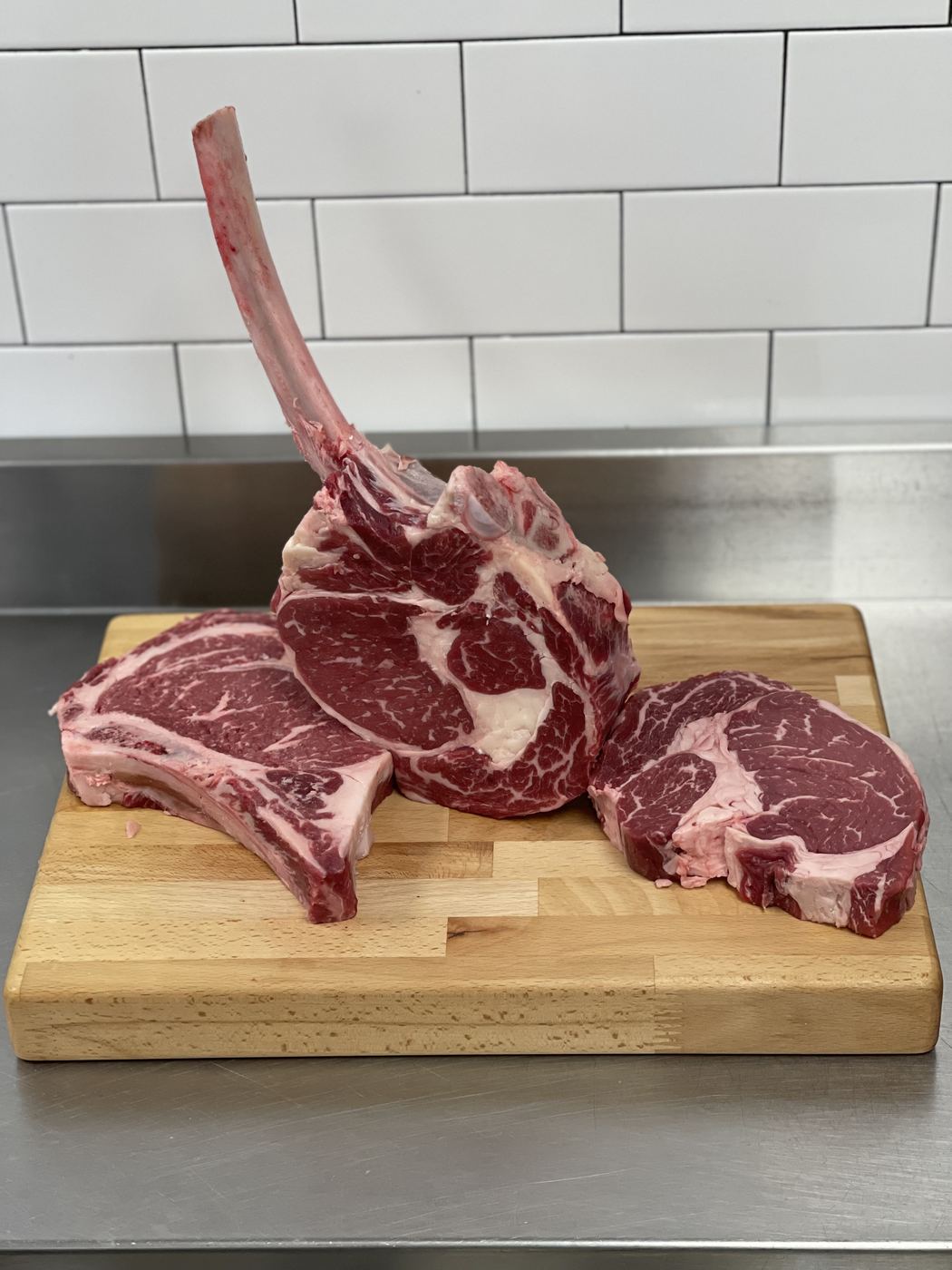

Yes, you can get fresh prepared meals in Georgetown, and the answer is Pat’s Prime Cuts. The shop hand-makes entrees, salads, sandwiches, and sauces daily, and builds catering platters for events of any size. Here’s how to act on it:
- Call or visit the Georgetown shop counter to order same-day deli items
- Use the catering services page to request a quote for an event
- Ask staff about custom cuts or allergy-safe recipes when you place your order
Key Takeaways
Fresh prepared meals from an artisan deli come down to on-site preparation, transparent pricing, and portioning that fits your event, not the other way around.
| Point | Details |
|---|---|
| Confirm on-site cooking | Ask whether food is cooked fresh in-house or reheated from earlier batches. |
| Request itemized quotes | Insist on a breakdown of food, setup, staffing, rentals, and service fees before booking. |
| Order early for custom cuts | Give the shop several days’ notice for large or bespoke catering orders. |
| Document allergy needs in writing | Confirm cross-contamination practices and put dietary notes in your order form. |
| Choose Pat’s Prime Cuts for local catering | Get 70-plus years of butcher expertise, daily house-made meals, and custom event menus in Georgetown. |
Table of Contents
- What Fresh Prepared Meals Actually Means Here
- What’s On the Counter: Sample Menu Items and Serving Formats
- How Can You Tell a Meal Is Actually Fresh?
- What Should a Catering Quote Actually Include?
- Customization, Portioning, and Allergy Safety Without the Waste
- How to Order, and What Happens on Pickup or Delivery Day
- What Happens If You Need to Cancel or Change an Order?
- Why an Artisan Butcher Beats a Packaged Alternative
- Order Fresh Prepared Meals From Pat’s Prime Cuts
- Where to Go From Here
- Sources
What Fresh Prepared Meals Actually Means Here
This article covers one thing: handmade deli food made inside a real butcher shop, not a subscription box shipped to your door. When we talk about fresh prepared meals in this guide, we mean the entrees, salads, sandwiches, and sauces made fresh in-store, the same day you buy them, by people who also cut your steaks. This is not about regional meal-delivery services or frozen meal kits mailed in a cooler. Nothing here applies to that model.
At an artisan deli counter, “fresh prepared” covers a specific lineup:
- Hot entrees made in-house (roasts, stir-fries, marinated proteins)
- Sandwich platters built to order
- Salads and sides made fresh daily
- House-made sauces, marinades, and condiments
- Party and grazing-style platters for events
The distinction matters because a shop that cooks on-site controls every variable, from the cut of meat to how long a sauce sits before it’s sold.
What’s On the Counter: Sample Menu Items and Serving Formats
A good artisan deli rotates its prepared lineup daily, which is part of the appeal. You might find homemade roast beef, homemade turkey breast, beef stir-fry, or marinated chicken one day, and something different the next, because the kitchen cooks in small batches rather than mass-producing a static menu. House-made sausages, from mild Italian to honey garlic, often show up both on their own and worked into hot trays or sandwich builds.
Formats generally fall into a few buckets: individual sandwiches for a quick lunch, full sandwich platters for a meeting or shower, hot-entree trays for dinner service at an event, salad bowls, and charcuterie-style grazing platters that lean on cured meats and cheese alongside the fresh cuts.
For sizing, a rough planning guide helps:
- Sandwich platters: plan for about one to two half-sandwiches per adult guest
- Hot-entree trays: figure a moderate portion of protein per person, more for a dinner-focused event
- Salads: small to moderate servings per guest, depending on whether it’s a side or a main
- Sauce and condiment packages: order enough to cover every protein tray, not just the centerpiece
If you’re building a menu around a specific cut, like a boneless pork loin roast or a boneless chicken breast, ask the counter staff how many servings a given weight typically yields. They’ll know better than any generic chart.
How Can You Tell a Meal Is Actually Fresh?
Freshness shows up in specific, checkable details, not vague impressions. Deep red beef, rosy pink pork, and firm, opaque poultry skin are what you want to see in the case; grayish or brown patches, or a puddle of liquid pooling under the product, are signs it’s been sitting too long. A clean, faintly spiced or smoked smell is normal in a working deli. A sour or metallic odor is not, and it’s reason enough to walk away.

Beyond the visual cues, ask direct questions. Was this cooked here today, or reheated from a batch made earlier in the week? Professional caterers make the same distinction: fresh, on-site cooking holds its texture and temperature far better than food reheated after storage, and it’s one of the clearest markers of a shop that’s actually cooking rather than just warming.
A few checklist items worth running through before you buy:
- Check the display case for pooled liquid or dried, curling edges on meat
- Ask when the item was made and whether it’s been frozen and thawed
- Look at sauces and salads for separation or discoloration
- Trust your nose. A clean shop smells clean
Pro Tip: Ask the counter for the pack date on anything you’re buying for later in the week. Reputable butchers will tell you exactly when a cut arrived and how it should be stored, and that one question tells you more than reading labels ever will.
What Should a Catering Quote Actually Include?
Timing matters more than most hosts expect. Custom cuts, made-to-order sauces, and larger platters all need lead time, because a real butcher shop is sourcing and prepping specifically for your event rather than pulling from a warehouse. A good rule: the bigger or more customized the order, the earlier you should call. Communicating several days ahead gives a shop room to source, age, and prepare specific cuts and assemble more complex platters without rushing the work.
A transparent catering quote should break down clearly into distinct cost categories:
- Food cost — the actual meat, sides, sauces, and packaging
- Setup — trays, chafing dishes, table arrangement if the shop handles it
- Staffing — servers or delivery staff, if requested
- Rentals — warming equipment, serving utensils, linens
- Delivery and service fees — separate from food cost, and worth asking about upfront
Caterers and butcher-caterers alike recommend requesting an itemized quote that spells out food, staffing, setup, rentals, and any service fees before you sign off, because a vague total is where hidden costs hide.
Before you confirm an order, run through this list:
- Does the quote include setup and teardown, or is that extra?
- Are chafing fuel, serving utensils, and cleanup covered?
- Is delivery included, or billed separately based on distance?
- What’s the deposit, and when is the balance due?
- Is gratuity built in, or expected separately?
Fresh versus frozen also factors into planning. Fresh works best for events with a firm headcount happening soon, while frozen and vacuum-sealed options give you flexibility if your guest count is still moving around. A good deli will walk you through which makes sense for your date.
Customization, Portioning, and Allergy Safety Without the Waste
Ordering from a real meat counter means you’re not stuck with whatever quantity a supermarket happened to pre-package. You can request exact portions, custom trims, specific marinades, or individually wrapped servings, and that flexibility is one of the biggest practical advantages of buying from a service counter instead of a shrink-wrapped shelf.
That level of control pays off in a few concrete ways:
- You buy the exact amount you need, which cuts down on leftovers and waste
- Portioning by guest count keeps catering costs predictable
- Clear labeling makes it easier to flag allergens for guests with restrictions
- Custom marinades and prep mean fewer surprises on event day
When you’re dealing with a guest who has a severe allergy, don’t assume. Ask directly about kitchen layout, shared equipment, and cross-contamination prevention practices, and get the answer in writing if the event is large or the allergy is serious.
Pro Tip: Put your allergy requirements in the same email or order form as your headcount and menu choices. A written record protects both you and the shop if something needs double-checking on event day.

How to Order, and What Happens on Pickup or Delivery Day
Placing an order is straightforward once you know the sequence:
- Settle on a menu and a firm (or estimated) guest count
- Ask for an itemized quote covering food, setup, staffing, and rentals
- Confirm the lead time needed and whether a deposit is required
- Note any allergies or dietary restrictions in writing
- Choose pickup or delivery and confirm the payment method
On pickup day, expect trays labeled with reheating or serving instructions, especially for hot entrees meant to be served warm. For delivery, ask about the arrival window, whether staff will handle setup, and whether gratuity for delivery or serving staff is expected separately from the invoice. Butchers also often recommend sharing your recipe plans and budget up front, since staff can suggest cuts or prep methods that stretch your dollars further.
Before the event, confirm a few final details:
- The deadline for locking in your final headcount
- The cancellation policy and how it’s tiered by notice period
- What’s refundable versus what’s already been sourced or prepped
What Happens If You Need to Cancel or Change an Order?
Cancellation terms vary by shop and by how customized your order is, so ask directly before you pay a deposit. A standard sandwich platter ordered a day ahead is easy to adjust or cancel with minimal notice, since it draws from ingredients the shop stocks regularly. A large catering order built around custom cuts, specific marinades, or a headcount in the dozens is a different story, because the shop has already sourced and, in some cases, started prepping specifically for your date.
Most delis and butcher-caterers set cancellation windows tied to how far out the order sits. Cancel with plenty of notice, and a deposit is often refundable or transferable to a new date. Cancel close to the event, especially after custom cuts have been ordered or prep has started, and you should expect the deposit, and possibly a larger portion of the total, to be non-refundable. That’s not a penalty for its own sake. It reflects real cost the shop has already absorbed in ingredients, labor, and lost booking opportunity for that date.
The smart move is to ask about cancellation and refund terms at the same time you request your itemized quote, not after you’ve paid a deposit. Get it in writing, whether that’s an email confirmation or a line item on the invoice. If your headcount is uncertain, ask whether the shop allows a final adjustment date rather than locking numbers in at booking. Most reasonable caterers build in some flexibility here, since guest counts shift right up until the week of an event.
Why an Artisan Butcher Beats a Packaged Alternative
An artisan shop earns trust the slow way: by cutting meat correctly, cooking it well, and doing that consistently for decades. That’s not a marketing claim, it’s a track record you can taste. When a butcher also runs the deli counter, you get cross-checked quality control that a packaged food aisle simply can’t offer.
For hosts, that translates into fewer surprises on event day, food that’s genuinely customizable, and a shop that remembers what you ordered last time.
Order Fresh Prepared Meals From Pat’s Prime Cuts
Pat’s Prime Cuts is the local alternative to piecing together a party menu from a grocery deli counter or a generic catering company. You get 70-plus years of butcher expertise behind every cut, daily-made sauces and entrees instead of mass-produced trays, and a team that will build allergy-safe recipes around your guest list instead of handing you a fixed menu.

Whether you need a few sandwich platters for a Saturday gathering or a full catering setup for a larger event, the shop handles custom cuts, portioning, and dietary requests as part of the order, not as an upcharge. Premium options like the beef tenderloin or boneless ribeye work well for a plated dinner, while deli sandwiches and boneless chicken breast trays cover casual gatherings without stretching the budget.
Ready to plan your event menu? Visit the catering services page to request a quote and lock in your date.
Where to Go From Here
Start with Pat’s Prime Cuts catering services for quotes and menu planning, and browse products like homemade roast beef alternatives for entree ideas. For general buying know-how, see guidance on meat counter questions, caterer questions before booking, and allergen cross-contamination basics.
Sources
- Meat tips and butcher advice (The Kitchn)
- Top questions to ask a caterer before signing a contract (Hugh’s Catering)
- Cross-contamination preventive controls (Canadian inspection guidance)
- What to Ask at a Meat Counter So You Don’t Walk Out Confused
- How to Order Meat from a Meat Case at Your Local Butcher or Meat Market – Wild Country Meats


