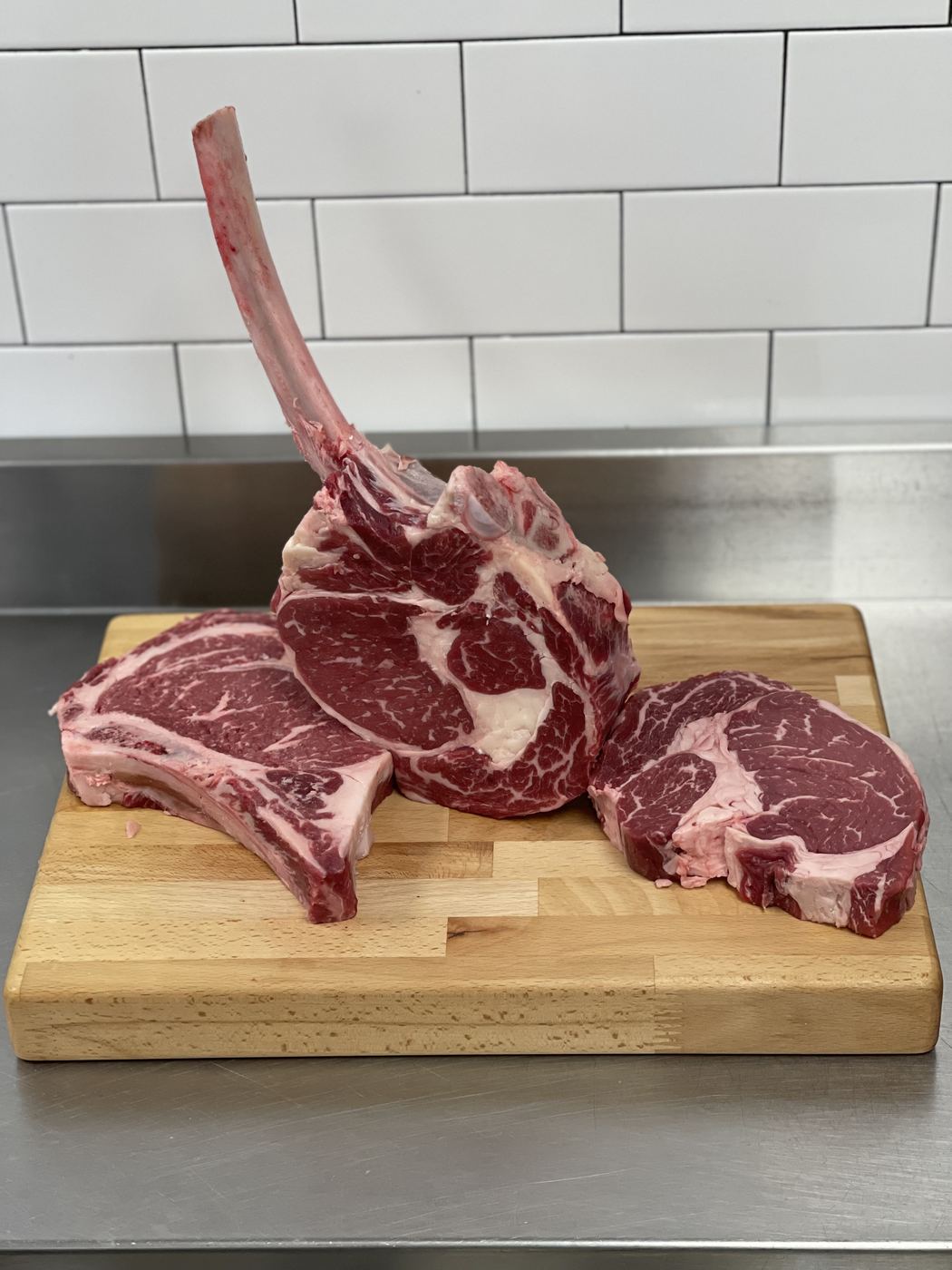

Frenching a rack of lamb means removing meat, fat, and membrane from the ends of the rib bones so they look clean and exposed. It is mainly for presentation; you can ask a butcher to do it or follow the steps below. Keep the rack whole if you plan to roast it, and check its internal temperature regardless of how the bones are trimmed.
TL;DR:
- Choose how much bone to expose, then fully thaw the rack in the refrigerator and pat it dry before cutting.
- Proper technique involves scoring and pulling the membrane with a towel or butcher twine, then scraping and cleaning each rib individually for a neat finish.
- Avoid cutting into the eye of the meat, forcing torn membrane, leaving tissue on the bones, or removing more fat than intended.
- Frenching does not change the doneness target. Health Canada lists 145°F (63°C) for medium-rare whole lamb cuts; use a thermometer and rest before carving.
- Asking a butcher to prepare the rack in advance saves time and ensures a cleaner, more consistent finish, especially for special occasions.
Table of Contents
- What You Need Before You Start Frenching Lamb Racks
- How to French a Rack of Lamb Step by Step
- Common Mistakes When Frenching Lamb (And How to Fix Them)
- Roasting and Grilling a Frenched Rack of Lamb
- Don’t Waste the Trim: Rendering, Jus, and Plating Ideas
- Should You Ask a Butcher to French Your Lamb Rack?
- Why Learning to French a Rack Is Worth the Practice
- Ask Pat’s Prime Cuts About a Frenched Lamb Rack
- Sources
What You Need Before You Start Frenching Lamb Racks
You don’t need a full knife roll for this job. A short, stubby boning knife gives you the best control for scoring and scraping between bones, with a paring knife as backup for tight corners. Work on a stable cutting board that won’t slide, and keep a clean dry towel nearby, or a length of butcher twine, for gripping slippery membrane once you start pulling it free.
A rack commonly has 7 to 8 ribs. Mark the trimming line about 1 to 1½ inches up the bones from the eye of the meat, adjusting for the presentation you want. If the rack is frozen, thaw it fully in the refrigerator and pat it dry before you touch a knife. Wet meat slips, and slipping is how blades end up somewhere you didn’t plan.
- Boning knife (primary tool) and a paring knife as backup
- Stable, non-slip cutting board
- Clean dry towel or butcher twine for grip
- Rack thawed completely and patted dry
Pro Tip: Keep the rack chilled until you are ready to work. Cold fat is firmer and easier to trim than fat that has softened at room temperature.
How to French a Rack of Lamb Step by Step
Frenching follows a set order, and skipping steps out of sequence is how you end up hacking at meat you should have already cleared away.
- Check for the shoulder blade. Some large, untrimmed racks still carry a flat piece of blade bone near the chine. If present, lift it carefully and cut underneath to remove it. If your rack is already trimmed, skip this step.
- Trim the fat cap. Gently peel back any thick layer of fat covering the ribs, using short knife strokes only where it resists. Some cooks remove most of it, while others leave a thin layer over the meat for flavor during roasting. Avoid cutting into the eye of the meat.
- Mark and score. Using the line you chose near the eye of the meat, score across the fat side of the rack until the knife meets bone. Turn the rack over and make short cuts along the ribs to free tissue above that line. Work slowly so you do not remove the meat you plan to cook.
- Pull off the membrane and fat. Grip the loosened tissue with a clean towel or a loop of butcher twine and pull it toward the bone ends. The towel grip helps keep your fingers away from the knife. Use short, controlled strokes to release stubborn spots.
- Clean between the bones. Small strips of tissue often hide in the grooves between ribs. Slide the tip of your paring knife beside each bone to free them without cutting into the meat below your score line.
- Scrape and wipe the bones. Scrape any remaining tissue from the exposed bones with the blunt back of the knife, then wipe each bone with a clean towel. Leave the rack whole for roasting, then rest and carve it between the ribs. If you prefer individual rib chops before cooking, use a chop-specific method; they cook faster than a whole rack.
Pro Tip: If tissue resists, make another small cut instead of forcing the knife or pulling hard.
Common Mistakes When Frenching Lamb (And How to Fix Them)
Most frenching problems trace back to rushing the scoring step or fighting the knife instead of letting it do the work.
- Cutting too deeply: mark the line before trimming and keep the knife close to the bone so you do not remove the eye of the meat.
- Torn membrane: if it rips instead of pulling free, stop and release the attached spots with short, controlled cuts before pulling again.
- Bones left dirty: leftover scraps near the base usually mean you skipped the scrape-with-the-butt-end step. Go back over each bone individually rather than trying to clear the whole row at once.
- Over-trimmed fat: you cannot put it back, but clean fat can be saved for rendering. Watch the rack closely when cooking if little fat remains.
- Unstable board or wet hands: both cause slips. Set your board on a damp towel so it can’t shift, and stop mid-task to dry your hands if they get slick.
Roasting and Grilling a Frenched Rack of Lamb
Once the bones are clean, cooking a frenched rack works exactly like cooking any other rack. Frenching changes the look and the exposed surface for searing, not the internal doneness targets.
For roasting, sear the rack fat side down in a hot skillet to build color, then transfer to a 375°F to 400°F oven and begin checking the center early; the time varies with rack size and oven. For grilling, sear over direct heat, then move to indirect heat to finish without scorching the exposed bone ends. Keep the thermometer tip in the thickest meat, away from bone.
For whole lamb cuts, Health Canada lists 145°F (63°C) for medium-rare, 160°F (71°C) for medium, and 170°F (77°C) for well done. Confirm the applicable temperature before serving; do not assume the rack will rise by a fixed amount during its 5 to 10-minute rest. For a fuller meat-temperature reference, see our safe meat temperatures guide.
- Medium-rare: 145°F (63°C)
- Medium: 160°F (71°C)
- Well done: 170°F (77°C)
- Rest time: 5 to 10 minutes before carving
The exposed bones can darken under high heat. Move the rack away from direct heat if they begin to scorch; frenching itself is mainly a presentation choice.
Don’t Waste the Trim: Rendering, Jus, and Plating Ideas
Some clean trim can still be useful. Render trimmed fat for cooking, or brown meaty scraps and simmer them with stock for a sauce. Strain the sauce thoroughly before serving, and discard membrane and small bone fragments.
- Render fat slowly in a low pan and strain it for later use.
- Brown meaty trim, simmer it with stock and wine, then strain for a simple pan jus.
- Pair with a mint chimichurri or a rosemary-garlic pan sauce for contrast against the richness.
- After roasting and resting, carve between the bones for chops, or present the whole frenched rack before slicing.
Choose whole-rack roasting or individual chops before you cook: the smaller portions need a different cooking time, even though the Frenching technique is the same.
Should You Ask a Butcher to French Your Lamb Rack?
A butcher does this faster, cleaner, and without the trial-and-error torn membrane you might hit on your first attempt. When ordering, be specific: ask how much bone you want exposed, whether you want the fat cap left thin or removed, and whether you’d like the rack left whole or pre-cut into chops.

Pat’s lists hand-cut Ontario lamb in Georgetown. Call ahead to ask whether a rack is available and whether the shop can French it or prepare your preferred trim.
Why Learning to French a Rack Is Worth the Practice
Frenching isn’t a skill you need, but it’s one worth having for a dinner where presentation matters. Your first attempt might look rougher than a butcher’s; your third or fourth will look close. There’s no rule against buying a pre-frenched rack for a busy weeknight and practicing on a cheaper cut when you have time to slow down. The technique gets easier fast, and a clean rack of chops standing on the plate is a small thing that makes a meal feel deliberate.
Ask Pat’s Prime Cuts About a Frenched Lamb Rack
If you would rather leave the knife work to a butcher, ask whether Frenching is available for the rack you want. Specify how much bone to expose, whether to leave a thin fat cap, and whether you want to cook the rack whole or as chops.

Pat’s Alberta lamb listing includes racks; call ahead to confirm current availability and ask if a Frenched rack can be prepared. For a dinner party or larger event, discuss the menu with Pat’s catering team rather than assuming lamb racks are part of a standard package.


