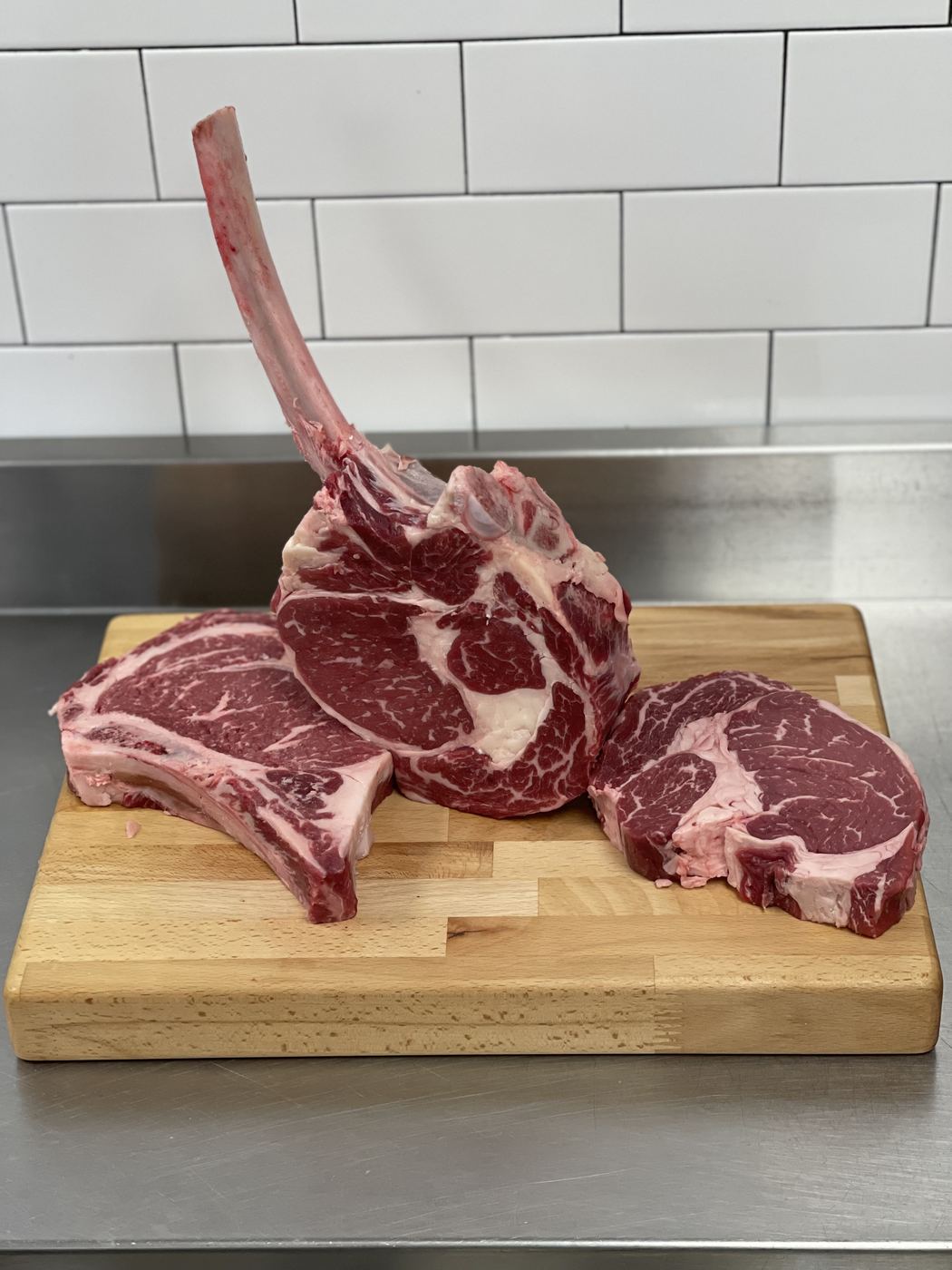

Butcher-made freezer packs are one of the easiest, most cost-effective ways to stock a freezer with real variety instead of a single cut in bulk. The value comes from portioning done by hand and vacuum sealing that locks in quality, which together cut down on freezer burn and food waste. The sections below break down pack types, what to ask when ordering, and how to store and thaw everything you bring home.
TL;DR:
- Choosing the right freezer pack depends on household size, freezer space, and spending limits; size and contents can vary widely by need.
- Vacuum sealing and proper cold storage practices significantly extend meat quality, with recommended storage up to 12 to 18 months at 0°F or below.
- Local butcher shops that offer custom cuts, allergy-safe options, and immediate in-house processing provide more personalized service than standard subscription boxes.
- Proper transportation with insulated bags and multiple small gel packs on delivery helps maintain meat freshness, especially for local pickups.
- Return, refund, and quality assurance policies are typically flexible when dealing with custom packs or in-person purchases, but should be clarified before buying.
Table of Contents
- What Comes in a Typical Freezer Pack of Meat?
- How Do You Pick the Right Pack for Your Household?
- Does Packaging Really Affect How Long Meat Stays Fresh?
- How Long Does Meat Last in Freezer Bags, and How Do You Thaw It?
- What Does Pat’s Prime Cuts List?
- What Does a Freezer Pack Actually Cost Once You Add Everything Up?
- How Do You Compare Butcher Shops When Choosing a Freezer Pack?
- What If a Freezer Pack Isn’t What You Expected?
- When Is a Freezer Pack the Smart Buy?
- Ready to Build Your Own Freezer Pack?
- Sources
- FAQ
What Comes in a Typical Freezer Pack of Meat?
Most butcher shops build freezer packs around a few recognizable templates, and knowing them makes comparing options a lot easier. A family pack usually leans on everyday proteins: ground beef, chicken breasts, and a roast or two. An economy pack stretches your dollar with more ground meat and fewer premium steaks. A sampler pack trades quantity for variety, offering you a taste of sausages, boneless pork chops, and a couple of specialty cuts. A grill pack is built for warm weather, heavy on steaks, burgers, and marinated skewers.
Weights vary by supplier, but a common bundle pattern includes several 1 to 10 pound portions spread across ground beef, roasts, steaks, and sausages, according to one commercial freezer bundle example from Beck & Bulow. Translated into real numbers, that might look like:
- 4 to 10 pounds of ground beef, split into 1 pound portions
- 4 to 6 pounds of roast, such as a boneless chuck roast or boneless pork loin roast
- 6 to 12 individually wrapped steaks
- 2 to 4 pounds of boneless chicken breast or thighs
- 1 to 2 pounds of house sausage
A pack of this type generally covers enough meals for a family of four for several weeks. If your chest freezer holds less than average space, a full bundle may fill it up, so measure your space before choosing the largest size.
How Do You Pick the Right Pack for Your Household?
The right pack size comes down to four numbers: how many people you’re feeding, how often you cook meat at home, how much freezer space you actually have free, and what you’re comfortable spending on meat each month. Run through this quick checklist before you call:
- Count heads and meals. A household of two eating meat four nights a week needs roughly a third of what a family of six needs.
- Measure your freezer, not just guess at it. An empty drawer looks bigger than it is once packages start stacking.
- Set a monthly ceiling for meat spending, then work backward to a pack size that fits it.
- Decide whether you want variety (sampler style) or depth in one or two proteins (family or economy style).
When you’re on the phone with the butcher, ask specifically about cut options, portion sizes per package, whether everything is vacuum sealed, and whether marinades or allergy-safe substitutions are available. Also ask about deposit requirements and how far ahead you need to order, since custom packs often need lead time that pre-made ones don’t.
Pro Tip: If anyone in the house has a food allergy or you’re trying to cut down on a specific cut for health reasons, say so upfront. A custom pack costs a little more time to build, but it beats picking around ingredients you can’t eat for the next three months.
Custom adjustments are worth the extra cost when your household has a strong preference, like all boneless cuts, extra ground meat for a big family, or specific marinades for the grill. If you’re feeding a crowd only occasionally, a standard pack usually covers it just fine.
Does Packaging Really Affect How Long Meat Stays Fresh?
Packaging is the difference between meat that tastes fine in month three and meat that’s freezer burned by month two. Vacuum-sealed, food-grade bags remove the air that causes freezer burn and dried-out texture, and butcher shops rely on this method for exactly that reason when preparing cuts for long-term freezer storage.
Getting the pack home cold is a separate question from how it’s frozen. Gel packs keep contents in a refrigerated range of about 35 to 45°F, which works fine for a same-day local pickup but won’t hold food fully frozen for more than a day, according to Thermal Shipping’s comparison of cold shipping methods. Dry ice runs far colder and holds that temperature much longer, which is why it shows up in packs shipped over multiple days, though it needs careful handling and isn’t legal to ship on every carrier, per GrazeCart’s breakdown of dry ice versus gel packs.
For local pickup, a few practical habits matter more than which cooling method you use:
- Bring an insulated bag or cooler, not just a paper sack.
- Ask for gel packs distributed around the meat rather than one giant block, since spreading smaller packs keeps cooling even instead of leaving a warm center, a point backed by Serious Eats’ testing of coolers and ice packs.
- Pre-chill your cooler at home if you can.
- Get the pack into your freezer within a couple of hours of pickup, not left in a hot trunk all afternoon.
How Long Does Meat Last in Freezer Bags, and How Do You Thaw It?
Vacuum-sealed cuts held at 0°F or below commonly stay at peak quality for around 12 to 18 months, though most sellers recommend cooking within 6 to 12 months for the best flavor, based on guidance from Beck & Bulow’s storage recommendations. Ground meat tends to sit at the shorter end of that range; roasts and whole muscle cuts hold up longer.
A few habits make a real difference once packs are in your freezer:
- Label everything with the cut name and the date it went in, even if the bag looks obvious now.
- Use a first-in, first-out system so older packs get cooked before newer ones.
- Thaw in the refrigerator over 24 to 48 hours for the best texture, or use a cold water bath for a faster option.
- Cooking straight from frozen works for some cuts, like thin steaks or ground meat in a stew, but it takes roughly 50% longer and isn’t ideal for anything you want evenly seared.
For extra help portioning what comes out of a big pack into practical meal-prep containers, Wellnosh’s guide to building snack portions for meal-prep containers has useful groundwork, even though it’s written for a different kind of food prep.
What Does Pat’s Prime Cuts List?
Pat’s lists a Reserve Cuts Pack described as pre-portioned, vacuum-sealed premium cuts. The site also advertises cuts prepared to order, but it does not specify a made-to-order freezer pack with a fixed set of options.
The site confirms:
- Custom cuts sized and trimmed to their preference.
- Reserve Cuts Pack portions that are vacuum-sealed.
- Marinades and ready meals offered separately; the pack listing does not say they are included.
- Catering orders described separately from the Reserve Cuts Pack.
When you’re ready to order, ask the counter staff what the Reserve Cuts Pack contains today, whether a different cut or portion can be arranged, how your order will be packaged, and when it can be picked up. Discuss any dietary requirements directly with the shop before ordering.
What Does a Freezer Pack Actually Cost Once You Add Everything Up?
Freezer packs are typically priced by size and content mix, with sampler and economy packs sitting at the lower end and premium steak-heavy bundles costing more per pound. Most local butcher shops take payment in person at pickup by cash, debit, or credit card, since freezer packs are usually built to order rather than sold off a shelf. Pat’s does not display a current price on its Reserve Cuts Pack page; ask the shop to confirm the price for your order.
The real total cost calculation has three parts: the meat itself, any delivery or transport fee if you’re not picking up in person, and a deposit some shops require on custom orders. Local pickup usually avoids delivery costs altogether, which is one advantage of buying from a shop in your own town instead of a shipped subscription box. If delivery is involved, ask upfront whether the fee is flat or scales with distance, and whether it covers insulated packaging or gel packs.

A quick way to sanity check a quote: divide the total price by the total weight to get a per-pound cost, then compare that to what you’d pay buying the same cuts individually. Custom packs with specialty cuts or house marinades will run higher per pound than a basic ground-beef-and-roast bundle, and that premium is usually the cost of the labor and customization, not markup for its own sake. Ask whether the quoted price already includes vacuum sealing, since some shops charge that separately.
How Do You Compare Butcher Shops When Choosing a Freezer Pack?
Quality and sourcing are the two things worth actually digging into before you commit to a pack. Ask where the meat comes from, how often it’s cut in house versus delivered pre-portioned, and how long the shop has been operating in your area. A shop that’s been cutting meat for decades has a reputation to protect that a shipped subscription box, run by a distant warehouse, simply doesn’t carry the same way.
Customer reviews matter, but read past the star rating into what people actually say. Comments about freshness, how closely an order matched what was requested, and how staff handled special requests tell you more than a generic five-star rating. A shop willing to build allergy-safe recipes or swap cuts on request is signaling a level of service a large chain rarely offers, since those requests take real attention from someone behind the counter.
Sourcing claims are worth a direct question, not an assumption. Ask whether beef is Ontario-raised, whether pork comes from a specific regional supplier, and whether the shop trims and cuts on-site rather than reselling pre-cut product from a distributor. A shop that hand-cuts daily, like Pat’s Prime Cuts, generally has fresher inventory turnover than one relying on frozen wholesale shipments that sit for weeks before reaching a counter.
When you’re weighing a local butcher against a mail-order meat subscription, factor in that local pickup skips the multi-day shipping window entirely. That’s one less variable affecting how the meat arrives and how much cold retention it needs along the way.

What If a Freezer Pack Isn’t What You Expected?
Return and refund policies vary by shop, so this is worth asking before you pay a deposit, not after you’ve already picked up a pack. Most butcher shops handle satisfaction issues case by case rather than publishing a rigid return policy, since meat isn’t something that can simply go back on a shelf once it’s left the counter.
A reasonable standard to look for: a shop that will address a quality issue if you raise it promptly, whether that means a cut that doesn’t match what was ordered or a package that arrived improperly sealed. Ask directly what happens if something’s wrong with your order, and whether that applies to custom packs, catering orders, or both. Shops built around personal service and repeat customers, rather than one-off transactions, tend to be far more flexible than large chains that route every complaint through a corporate policy.
Keep any receipt or order confirmation until you’ve gone through the pack, and mention issues the same week rather than months later. A vacuum-sealed pack that arrives with a broken seal or visible freezer burn is a legitimate concern worth raising immediately, not something to just accept as the cost of buying in bulk.
When Is a Freezer Pack the Smart Buy?
Freezer packs make the most sense for families, meal preppers, value shoppers, and anyone hosting events who want variety without ten separate purchases. If your freezer space is tight or you’re cooking for one, a smaller pack or a handful of targeted single cuts often serves you better. A hybrid approach works well too: buy a modest pack for the basics, then add single cuts like a rib steak when you want something specific.
Ready to Build Your Own Freezer Pack?
Pat’s Prime Cuts lists a pre-portioned, vacuum-sealed Reserve Cuts Pack and offers custom cuts. Ask the shop what the pack contains today and whether your preferred cuts, portions, or dietary requirements can be accommodated.

Ordering is simple. Call the shop or browse the full product lineup to get a feel for available cuts, then ask about the Reserve Cuts Pack’s current contents, price, and pickup timing. Ask about custom cuts and catering options if you’re planning for a larger gathering rather than a weekly stock-up.
Sources
- Dry Ice vs Ice Packs: Which Is Best for Shipping? (GrazeCart blog)
- Vacuum-Sealed Meat Bags (Blue Moon Pack)
- The 4 Best Ice Packs for Coolers of 2026, Tested & Reviewed (Serious Eats)
- Cold shipping: dry ice vs gel packs (Thermal Shipping)
FAQ
How Long Will Meat Last in Freezer Bags?
Vacuum-sealed cuts held at 0°F or below commonly stay at peak quality for around 12 to 18 months, with best flavor usually within 6 to 12 months. Ground meat tends to hold up on the shorter end of that range compared to roasts and steaks.
Is a Meat Subscription Box Cheaper Than Buying Local?
It depends on shipping costs and pack size, but local pickup from a butcher shop avoids delivery fees and the multi-day cold-chain packaging that mail-order boxes need. Buying local also lets you customize cuts and portions on the spot, something most subscription boxes don’t offer.
Which Meat Delivery or Butcher Option Is Best for Variety and Customization?
Pat’s Prime Cuts lists a Reserve Cuts Pack and offers custom cuts, but the pack listing does not promise substitutions or allergy-specific recipes. If variety and the ability to swap ingredients matter most to you, ask the shop what it can prepare for your order.
What Are the Best Containers or Ice Packs for Transporting Meat?
Vacuum-sealed, food-grade bags are the standard for freezer storage since they protect against freezer burn far better than standard zip bags. For transport, distributing several smaller gel packs around your meat in an insulated cooler keeps temperatures more even than relying on one large pack.


