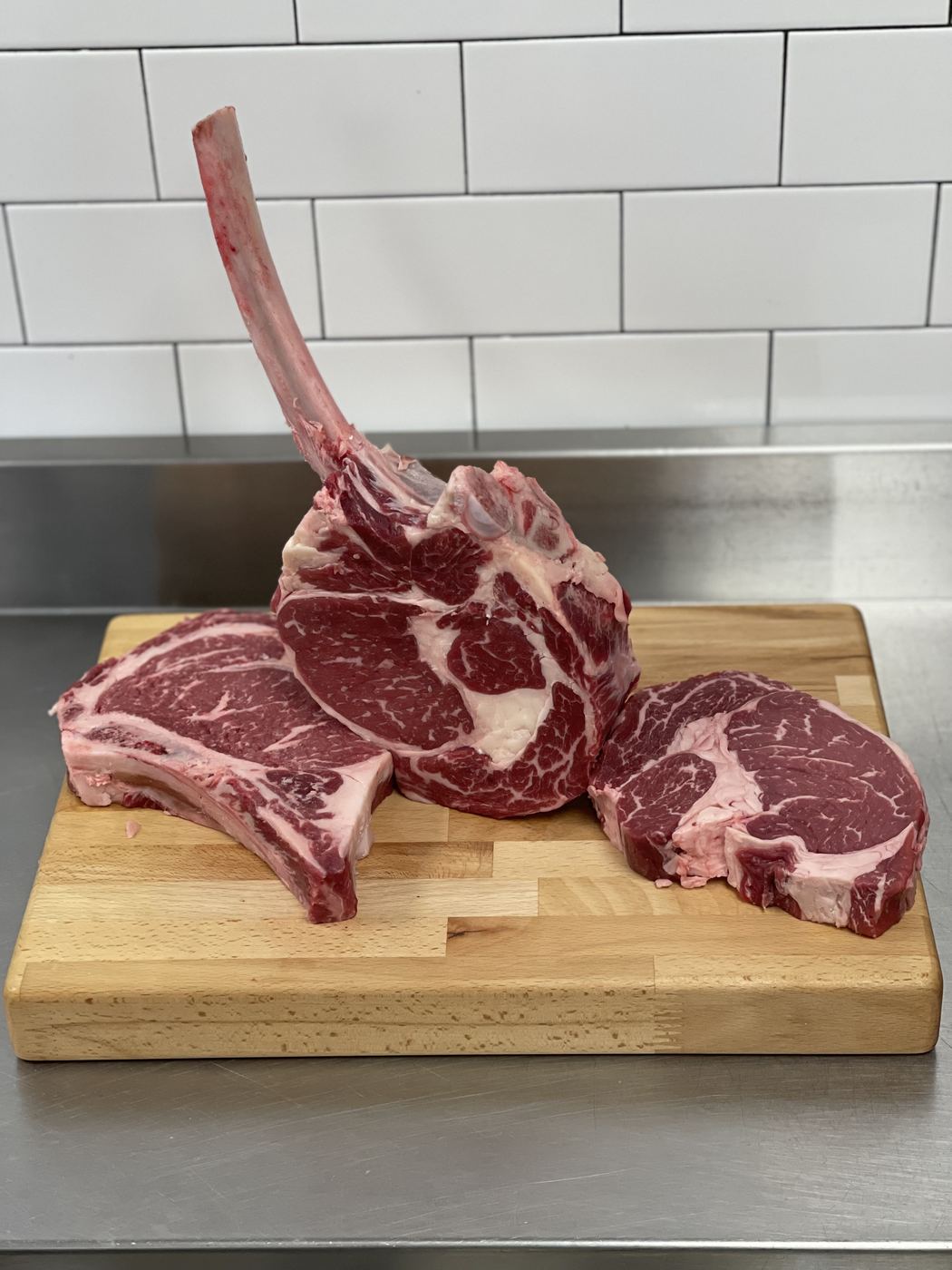

Allergy-safe recipes work best when they’re built to feed everyone at the table, not just the person with the allergy. You can serve one meal, adjust a few ingredients, and skip the second pot on the stove entirely. Start with a recipe from the categorized list below, apply the right substitutions for your specific allergens, and lock in a few cross-contact habits in the kitchen. Backed by allergy organizations and dietitian-reviewed recipes, this approach also mirrors what artisan butcher shops already do when building allergy-safe custom orders for local families.
TL;DR:
- Allergy-safe recipes should be built around categories that naturally avoid the top nine allergens, simplifying planning and reducing cross-contact risks.
- Simple ingredient swaps, such as oat or coconut milk for dairy and sunflower seed butter for peanuts, enable most recipes to be adapted without compromising taste or texture.
- Cross-contact prevention habits like dedicated utensils, separate storage, and thorough label reading are essential to maintaining allergy safety in the kitchen.
- Batch cooking and customizable components help families feed everyone the same meal without preparing separate dishes daily.
- Outsourcing to specialized providers can ensure allergen control during events, offering ready-made or custom recipes that eliminate the need for detailed label checking.
Table of Contents
- Allergy Safe Recipes by Meal: Breakfast, Lunch, Dinner, Snacks, and Dessert
- Simple Swaps for the Priority Food Allergens
- Kitchen Safety: Preventing Cross-Contact and Reading Labels Correctly
- Sample Menus That Feed Everyone Without Cooking Twice
- How to Turn Any Family Recipe Into an Allergy-Safe Version
- When a Local Provider Takes the Pressure Off
- Where to Find More Allergy-Safe Recipes and Guidance
- A Cook’s Honest Take on Inclusive Family Meals
- Let Patsprimecuts Handle the Allergy-Safe Cooking for You
- Sources
- FAQ
Allergy Safe Recipes by Meal: Breakfast, Lunch, Dinner, Snacks, and Dessert
The fastest way to build a rotation of safe meals is to stop hunting recipe by recipe and instead pull from categories that already dodge the top allergens. Here’s a working shortlist organized the way your week actually runs.
Breakfast
- Oat pancakes made with a flax egg and oat milk skip dairy, egg, and nut all at once, though you’ll want oats labeled gluten-free if celiac disease is in play.
- Sunflower seed butter toast on certified gluten-free bread replaces peanut butter without losing the creamy texture kids expect.
- Rice-based breakfast bowls with cinnamon and stewed apple avoid wheat, dairy, and soy entirely, no substitutions required.
- Egg-free banana muffins using mashed banana as the binder work for egg-allergic kids and adults alike.
Lunch
- Rice paper rolls with shredded chicken, cucumber, and rice vermicelli are naturally free of the top nine allergens if you skip peanut dipping sauce.
- A baked potato bar with dairy-free sour cream and a soy-free chili topping lets everyone customize their own plate.
- Turkey and avocado lettuce wraps swap out bread entirely, which sidesteps wheat without anyone noticing.
Dinner
- A gluten-free stir-fry using certified gluten-free tamari instead of soy sauce helps keep the dish free from certain common allergens when done carefully. One well-tested version recommends patting the chicken dry before cooking and avoiding a crowded skillet, both of which matter more for texture than most home cooks realize, according to Grainless Life’s gluten-free stir-fry recipe.
- Chicken pot pie adapted with a biscuit-dough topping and non-dairy milk for the filling keeps the comfort-food payoff while cutting gluten and dairy, a technique detailed by the quick lactose-free meal ideas at Wild Foodz, which offer ready-to-use recipes for dairy-free dinner inspiration.
- Grilled fish substituted with a plant protein or a different cut of meat solves the dinner problem instantly for shellfish- or fish-allergic guests.
Snacks
- No-bake protein balls made with sunflower seed butter and hemp seeds instead of peanut or almond butter are a reliable nut-free option, though packaged seed butters and oats can still carry “may contain” nut warnings worth checking, per Maria Lucey Dietitian’s nut-free protein balls.
- Rice crackers with dairy-free hummus cover wheat, dairy, and sesame concerns depending on the hummus brand you choose.
Dessert
- Flourless chocolate cookies made with nut-free chocolate chips and almond-flour-free bases keep dessert on the table for gluten- and nut-allergic kids.
- Coconut milk pudding thickened with cornstarch avoids dairy, egg, and soy in one bowl.
Recipe hubs like Safe Eats from Kids With Food Allergies and Feasting With FARE organize dishes exactly this way, by allergen exclusion rather than cuisine, which makes weekly planning faster.
Simple Swaps for the Priority Food Allergens
Most allergy-safe cooking comes down to eight ingredients and their reliable replacements. Get comfortable with these swaps and you can adapt almost any recipe you already own.
- Milk: Oat milk, coconut milk, or soy milk (if soy is tolerated) work in most baking and sauces; coconut milk adds the most richness for creamy dishes.
- Eggs: A flax egg (one tablespoon ground flax plus three tablespoons water) or a commercial egg replacer binds baked goods, but you’ll usually need extra liquid or leavening to keep the structure from falling flat.
- Peanuts: Sunflower seed butter is the closest texture and flavor match; pumpkin seed butter works too but has a stronger taste.
- Tree nuts: Toasted pumpkin seeds or crisped rice cereal replace nut crunch in granola bars and cookie toppings.
- Soy: Certified gluten-free tamari or coconut aminos replace soy sauce in stir-fries and marinades without the soy protein, as recommended in guidance on substituting tamari for soy sauce.
- Wheat/gluten: A blend of rice flour, tapioca starch, and xanthan gum handles most baking; for thickening sauces, arrowroot or cornstarch works better than flour anyway.
- Sesame: Sunflower seed paste replaces tahini in dressings and hummus at a nearly identical consistency.
- Shellfish and fish: Swap in chicken, beef, or a firm plant protein; fish sauce can be replaced with coconut aminos plus a splash of lime.
Baking is where substitutions get finicky. Replacing eggs in a cake usually means adjusting both the binder and the leavening at the same time, since flax alone won’t give you the same rise. Stovetop dishes are far more forgiving. A stir-fry or a soup barely notices when you swap soy sauce for tamari or dairy milk for oat milk.
Pro Tip: Test any egg or dairy substitution in a small batch first. A quarter-recipe muffin tray tells you everything you need to know before you commit a full cake to an unfamiliar swap.
Always double-check labels before you buy, especially for severe allergies. A “gluten-free” claim on tamari or oats only counts if it’s certified, and cross-contact warnings on seed butters or chocolate chips can quietly undo an otherwise safe recipe.
Kitchen Safety: Preventing Cross-Contact and Reading Labels Correctly
Cross-contact is the most common way a carefully planned allergy-safe meal goes wrong, and it usually happens through habits, not ingredients. Fixing it takes a short list of consistent moves.
- Wash hands, cutting boards, and utensils between handling allergen-containing and allergen-free foods, even when they look clean.
- Cook the allergy-safe dish first, before the pan, oil, or grill has touched any allergen.
- Use dedicated utensils and cutting boards for high-risk allergens like peanuts or shellfish, ideally color-coded so nobody grabs the wrong one mid-recipe.
- Store allergen-free ingredients on a separate shelf, above anything that could drip or spill onto them.
- Label leftovers clearly, including which allergens they’re free of, not just what’s in them.
Reading a label takes more than scanning the ingredient list. “May contain” and “made in a facility that also processes” statements are legally significant warnings about shared equipment or shared air, not throwaway disclaimers, though they aren’t standardized across brands the way the ingredient list itself is. For a severe allergy, treat any “may contain” statement as a reason to skip the product, and consider contacting the manufacturer directly if a certified allergen-free version isn’t available.
Even naturally allergen-free foods aren’t automatically safe once they’re packaged. Oats, seed butters, and chocolate are frequently processed on shared lines with tree nuts or peanuts, which is why a bag of oats with no nuts in the ingredient list can still carry a nut warning on the back. For anyone with a severe allergy, certified gluten-free or certified allergen-free labeling is worth the extra cost, because it reflects dedicated production lines rather than a manufacturer’s best guess.

Sample Menus That Feed Everyone Without Cooking Twice
A short menu framework removes the daily decision fatigue that leads most families back to cooking two separate dinners.
3-day starter menu
- Day 1: Gluten-free stir-fry with certified tamari, rice, and steamed broccoli.
- Day 2: Chicken pot pie with a biscuit topping and oat milk filling.
- Day 3: Rice paper rolls with turkey, cucumber, and a sunflower-seed dipping sauce.
7-day batch-cooking framework
Build the week around three components you cook once and reuse: a neutral grain (rice or quinoa), a roasted protein (chicken thighs or a beef roast), and a roasted vegetable mix. Rotate them into bowls, wraps, and stir-fries through the week, swapping the sauce or seasoning each night so nobody feels like they’re eating the same meal twice.
At the table, set out extra components separately, such as a dairy-free sauce next to the regular one, so each person builds their own plate without anyone needing a different base dish. Store batch-cooked components in shallow containers so they cool fast and reheat evenly, and keep sauces separate from grains until serving to protect texture. Reheating rice or quinoa with a splash of water in a covered pan restores moisture better than a dry microwave blast.
How to Turn Any Family Recipe Into an Allergy-Safe Version
Most recipes can be converted with the same five-step process, whether you’re working from a cookbook or a card handed down from a grandparent.
- Identify every allergen in the original recipe, including hidden ones like soy lecithin in chocolate or whey in “non-dairy” creamers.
- Choose the swap from the substitution list above that matches the texture you need, not just the allergen you’re avoiding.
- Adjust technique, since baked goods often need more liquid or leavening than stovetop dishes do.
- Test a small batch before committing to the full recipe, especially for anything baked.
- Label and store the finished dish clearly if it’s going into a fridge shared with non-allergy-safe food.
Applied to real dishes: mac and cheese becomes dairy-free with a cashew or oat-milk based sauce; chicken pot pie swaps in a biscuit crust and non-dairy milk; a stir-fry swaps soy sauce for certified tamari; and baked goods lean on a flax egg plus extra baking powder to hold their rise.
Pro Tip: Buy one substitute ingredient at a time and test it in a dish you already know well. Comparing a new seed butter or gluten-free flour against a familiar recipe tells you faster whether the texture holds up than trying it in something brand new.
When a Local Provider Takes the Pressure Off
Some situations call for outside help, especially catering a birthday party, a school event, or a holiday gathering where several guests have different allergies at once. Patsprimecuts builds allergy-safe custom recipes made to order, alongside ready meals and made-in-house sauces that can be adapted to specific dietary needs. For larger gatherings, full-service catering means one trusted kitchen handles cross-contact controls and label-checking for you, instead of you managing multiple allergen-free dishes solo on top of everything else an event demands. It’s the difference between researching every ingredient yourself and handing that job to someone who already does it daily.
Where to Find More Allergy-Safe Recipes and Guidance
For deeper recipe libraries and clinical backing beyond what’s covered here, a few sources stand out. Safe Eats from Kids With Food Allergies offers a searchable database of over 1,200 recipes filtered by allergen and course. Feasting With FARE curates chef and community recipes by exclusion type. The Asthma and Allergy Foundation of America provides broader clinical guidance on allergy management beyond the kitchen.
A Cook’s Honest Take on Inclusive Family Meals
Most allergy advice treats the allergic family member as the exception to plan around. Flip that, and cooking gets simpler: build the whole meal to be safe by default, then everyone eats the same plate. Try one recipe from this list this week, or reach out to a local provider if you’d rather hand off a complicated event to someone who cooks allergy-safe meals daily.
— cloudsprout
Let Patsprimecuts Handle the Allergy-Safe Cooking for You
A local artisan provider can be the alternative to juggling every substitution yourself: some make allergy-safe custom recipes to order, so you get a meal built around your household’s exact allergens without researching a single ingredient label. Whether you need a few ready meals for a busy week or a full menu for a gathering with mixed dietary needs, the shop’s house-made sauces and prepared products are made fresh, not mass-produced, which means the recipe can actually be adjusted for your allergens rather than pulled from a fixed formula.

For events, the full-service catering team can plan an entire allergy-safe menu, from hand-cut proteins to finished sides, so you’re not splitting your attention between hosting and reading labels. Call or visit a local shop to talk through your allergens and get a custom quote for your next family dinner or event.
Sources
- Safe Eats® Allergy-Friendly Recipes
- Sticky Ginger Chicken Rice Bowls (Easy Gluten-Free Recipe) – Grainless Life
- Nut Free Protein Balls (No Bake, 5 Ingredients) — Maria Lucey Dietitian
FAQ
What are some allergy-friendly dinner ideas?
Gluten-free stir-fry with certified tamari, chicken pot pie with a biscuit crust and dairy-free milk, and rice paper rolls with turkey and sunflower-seed sauce all avoid multiple top allergens at once. Each swaps out one or two ingredients rather than requiring a completely different recipe, which keeps prep time manageable on a weeknight.
What is the 3-day rule for allergies?
There’s no single standardized “3-day rule” in allergy management; the phrase most often refers to introducing one new food at a time and watching for a reaction over roughly three days before adding another. This approach is commonly used when introducing potential allergens to children, and it’s worth discussing with a pediatrician or allergist before starting.
What are the top 9 allergen-free recipes?
The most common food allergens include milk, eggs, peanuts, tree nuts, soy, wheat, sesame, shellfish, and fish, so a true allergen-free recipe avoids all of these. Dishes like rice-based breakfast bowls, rice paper rolls with vegetables, and coconut milk pudding thickened with cornstarch typically qualify without any substitutions needed.
What is a good meal plan for someone with food allergies?
A batch-cooking framework built around a neutral grain, a roasted protein, and a roasted vegetable works well because you cook the base once and vary the seasoning or sauce nightly. Set allergen-specific sauces and toppings out separately at the table so each person can build a safe plate from the same shared meal.
Do some local providers offer allergy-safe meals for events?
Yes, Patsprimecuts makes allergy-safe custom recipes to order and offers full-service catering for events of any size. Pricing depends on the menu and guest count, so current details are available directly through the shop.


