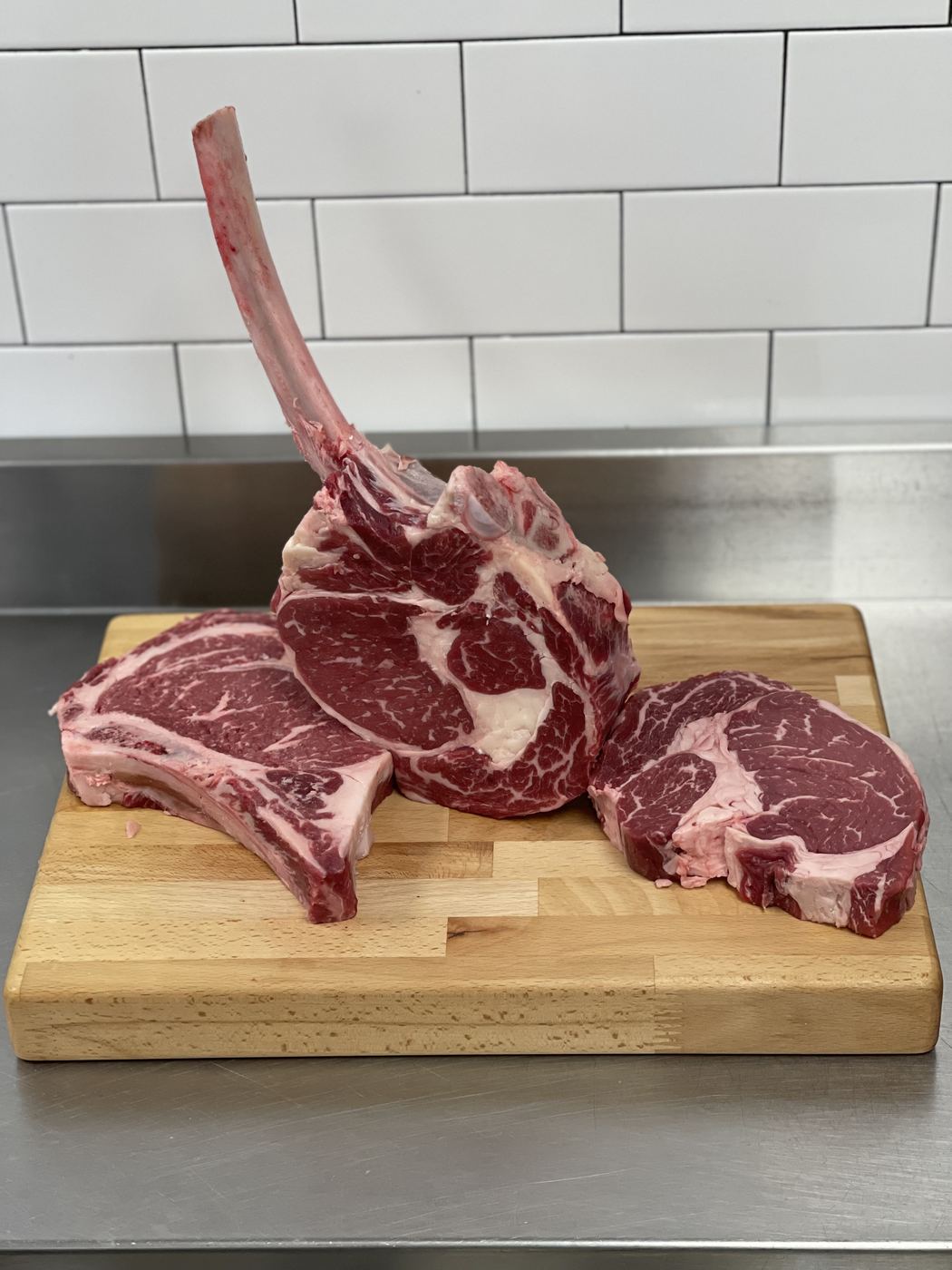

For most intimate gatherings, a premium drop-off spread or a one-server staffed package hits the best balance of quality, cost, and host freedom. Drop-off suits casual get-togethers under 20 guests; a single staffed server earns its cost once you cross that number or want to actually enjoy your own party. Expect a few weeks of lead time for a straightforward booking, and treat a local butcher and deli like Pat’s Prime Cuts as a legitimate direct option, not just a backup plan.
TL;DR:
- Pickup or delivery options are suitable for casual gatherings under 20 guests, while staffing a server becomes worthwhile for larger groups over 15 guests.
- Minimum order sizes and staffing requirements often start around 15 to 20 guests, with drop-off orders sometimes having a minimum dollar amount.
- Menu choices should align with the service format, such as grazing tables for small groups or plated meals for formal seated dinners.
- Budget-friendly options include grazing boards or deli sandwiches for under 15 guests, while larger groups benefit from staffed service and larger mains.
- Booking two to six weeks in advance is recommended, with one server typically sufficient for events up to 35 guests to manage serving and cleanup.
Table of Contents
- Service Formats and When to Choose Each
- Menu Ideas for Small Parties, With Sample Menus
- How Much Food and Money Do You Actually Need?
- How to Order Catering: Your Checklist and Questions
- Food Safety Rules Every Host Should Know
- Host-First Perspective: Common Pitfalls and Quick Fixes
- Pat’s Prime Cuts Catering: How We Help Small Parties
- Sources
- FAQ
Service Formats and When to Choose Each
Every small-party caterer works from the same handful of formats, and picking the wrong one is the most common way hosts overspend or underdeliver.
Drop-off means the food arrives ready to eat or reheat, and you handle serving and cleanup. It’s the cheapest option and works well for casual gatherings where guests serve themselves.
Staffed service adds a server (or several) who set up, replenish, and clean as the party runs. Plated service means a server brings each guest a composed plate, which reads as formal but needs real kitchen and staffing support. Family-style puts platters on the table for guests to pass and share, a middle ground between formal and casual. Grazing setups (charcuterie boards, spreads) let guests wander and pick throughout the event. Build-your-own stations (taco bars, carving stations) add an interactive element guests remember.
Here’s how the decision usually shakes out:
- For fewer than 15 guests with a casual tone, drop-off or a grazing table is suitable
- For gatherings of approximately 15 to 30 guests where mingling is preferred, consider one staffed server plus family-style platters
- For formal dinners with seated guests, plated service is recommended with additional staff
- Any format with a carving station or hot bar: confirm minimums, since many caterers require a set guest count before staffing a station
Minimums matter more than most hosts expect. Many caterers require a minimum order size before providing staffed service, often starting around 15 to 20 guests, and drop-off orders may have a minimum dollar amount rather than a minimum guest count.
Menu Ideas for Small Parties, With Sample Menus
The menu style you pick should follow the service format, not the other way around. A grazing table or family-style platter works for 2 to 30 guests and scales easily, while passed hors d’oeuvres need a server to actually pass them.
A few reliable approaches for small gatherings:
- Grazing/charcuterie board: cured meats, cheeses, crackers, and fruit. Zero reheating, minimal labor.
- Passed hors d’oeuvres: bite-sized items circulated by a server. Best for cocktail-style events.
- Family-style mains: shared platters of roasted meats and sides, set on the table.
- Plated courses: individually composed plates for seated dinners.
- Build-your-own stations: a carving station with beef tenderloin or a taco bar with grilled meats.
Three sample menus by budget:
Casual (grazing, under 15 guests): charcuterie board, mixed deli sandwiches, fresh fruit, cookies. Almost no prep once it arrives.

Mid-range (family-style, 15 to 30 guests): honey garlic sausage, roasted vegetables, a starch, and a simple green salad. One main course prevents the ordering mistakes that come with juggling too many dishes.
Upscale (plated or carving station, 20 to 35 guests): beef tenderloin carving station, potato gratin, seasonal vegetables, plated dessert.

For dietary restrictions, ask your caterer to label allergens clearly on serving cards and confirm whether items like specialty seafood can be prepared separately to avoid cross-contact.
How Much Food and Money Do You Actually Need?
Guest count drives almost every other decision, and the right approach shifts noticeably as your list grows.
- Under 10 guests: self-catering or a restaurant order often makes more sense than hiring a caterer at all.
- 10 to 20 guests: the crossover zone, where hiring a caterer starts to pay off, especially if you want to be a guest at your own party rather than the cook.
- 20 to 35 guests: hiring almost always wins here, since the labor of feeding that many people well is hard to absorb solo.
- 35 to 50 guests: staffed service becomes close to essential unless the menu is entirely self-serve.
For cocktail-style events, plan on four to six bites per person for a two-hour gathering. For seated dinners, one full portion of protein per guest plus a modest buffer, not double.
Pricing varies by market, but the shape holds everywhere: drop-off runs cheaper per person than staffed service, while staffed packages add labor, gratuity, and often rental costs for chafing dishes or serving ware. Rentals, delivery fees, and gratuity (typically 15 to 20% on staffed jobs) can add a meaningful amount on top of the base menu price, so ask for an itemized quote rather than a single number.
How to Order Catering: Your Checklist and Questions
Give your caterer these details up front and you’ll get a faster, more accurate quote:
- Exact or estimated guest count
- Preferred service style (drop-off, staffed, plated)
- Event date, start time, and how long food needs to stay out
- Any dietary restrictions or allergies among guests
- Venue access details: parking, elevator, stairs, kitchen availability
Once you’re talking to a caterer, ask directly: What’s your minimum order? What’s included in the price versus billed separately? How do you keep hot food hot and cold food cold during transport? What’s your cancellation and deposit policy?
Before the day arrives, walk your own space. Confirm you have fridge or oven access if needed, a clear path for load-in, and a plan for trash and recycling once the party winds down.
Pro Tip: Ask your caterer exactly how long food can safely sit out at your event length. A two-hour cocktail party has very different holding needs than a four-hour open house, and the answer changes what menu items make sense.
Food Safety Rules Every Host Should Know
Small parties still carry real food-safety risk, and the rules are the same whether you’re feeding five people or fifty. Government guidance for community events sets clear limits: hot foods must stay at or above 60°C (140°F), and cold foods at or below 4°C (40°F).
The two-hour rule: any potentially hazardous food left in the 4°C to 60°C “danger zone” for more than two hours should be discarded, no exceptions.
Practical steps that keep you inside those limits:
- Cool leftovers fast using shallow containers and, if fridge space is tight, an ice bath.
- Never cover hot food while it’s still cooling; trapped heat slows the process down.
- Refrigerate potentially hazardous items promptly after cooking, not after the party winds down.
- At a buffet, swap serving dishes rather than topping them off, use separate serving utensils per dish, and discard anything left out once service ends.
If your event runs larger than a handful of guests, it’s worth having at least one person with basic Food Safe training on hand to check temperatures and catch problems early.
Host-First Perspective: Common Pitfalls and Quick Fixes
The biggest mistake we see isn’t the menu. It’s timing. Build a 15 to 20 minute setup buffer before guests arrive, and confirm your load-in route ahead of time. Over-ordering is the second trap: one strong focal moment, a carving station or grazing board, creates the sense of abundance without forcing you to multiply every dish. And if your budget allows exactly one upgrade, make it a single server for replenishment and cleanup. That one hire tends to give the host their evening back more than any menu change would.
— cloudsprout
Pat’s Prime Cuts Catering: How We Help Small Parties
A local butcher and deli in Georgetown has been hand-cutting meat and building custom menus for many years, with extensive experience catering parties that started with a phone call and a rough guest count, nothing more. Every order is prepared with care, using fresh marinades and custom recipes, ensuring a small dinner party receives attentive service comparable to larger events.

For a casual gathering, options might include drop-off spreads built around ready-made platters and sandwiches. For larger events, full-service packages with carved roasts, family-style sides, and staff could be available. Menus are generally tailored to guest count and dietary needs rather than fixed packages. When you reach out, tell us your guest count, preferred service style, event date, and any allergies in your group. That’s enough for us to build a quote. Head to our catering services page to start the conversation, or browse ready-made menu components if you’re leaning toward a drop-off setup.
Sources
- Food safety for community events (Indigenous Services Canada / Government of Canada)
- Small Party Catering: The 10–50 Guest Guide (Pinx Catering)
- Feeding a crowd safely (Agriculture/Canadian government publication)
FAQ
What Is the Cheapest Way to Cater a Small Party?
Drop-off catering with a simple, one-main menu is almost always the cheapest option, since you skip staffing costs entirely. Grazing boards and deli sandwich platters keep costs even lower because they need no reheating or plating.
How Do I Cater a Party Cheaply Without Sacrificing Quality?
Pick one strong focal item, like a carving station or a well-built grazing board, instead of ordering a wide spread of separate dishes. Pairing a modest main with a generous board tends to feel more abundant than many small dishes at the same price.
What Are Good Small-Party Catering Options Near Me?
Look for a caterer with clear minimums, an itemized quote, and the flexibility to adjust a menu around your guest count and dietary needs. A local butcher and deli offering full-service catering, like Pat’s Prime Cuts, can be a practical option if you want direct communication with the people preparing your food.
How Far in Advance Should I Book Small-Party Catering?
Two to three weeks is usually enough lead time for a standard drop-off or staffed order under 30 guests. Book earlier, four to six weeks out, for weekend dates during busy seasons or if you want a specific menu item like a carved roast.
How Many Servers Do I Need for a Small Party?
One server is often enough for parties up to 30 to 35 guests, handling replenishment, drink service, and cleanup. Larger or more formal events, especially plated dinners, typically need one server for every 10 to 15 seated guests.


