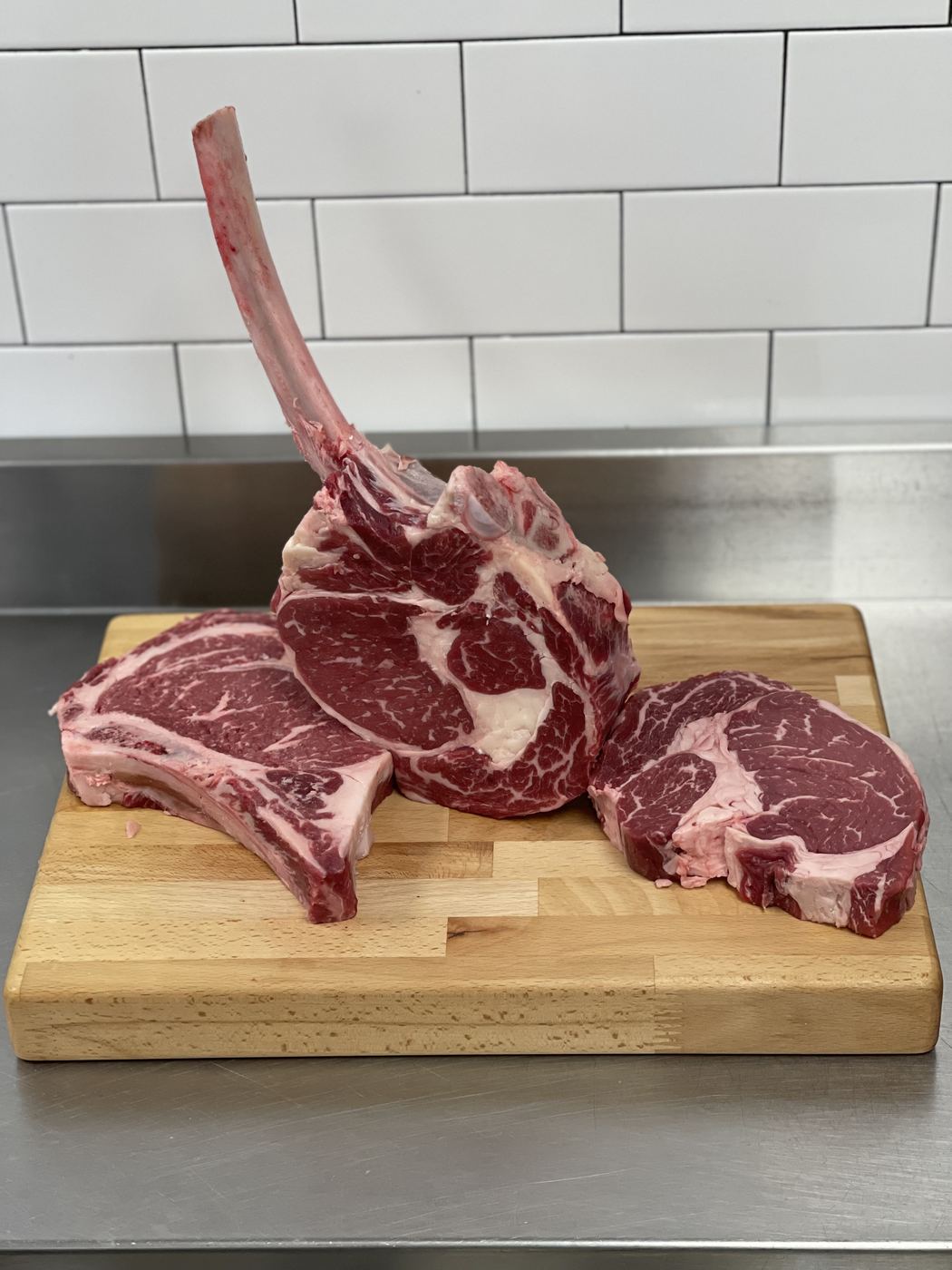

Flank steak is the best all-around beef for stir-fry, and for most home cooks, it should end the debate. It’s lean, carries a beefy flavor that stands up to bold sauces, and slices thin without falling apart. Skirt or hanger steak works if you want a stronger beef taste, top sirloin covers everyday cooking, and chuck or blade delivers real value once trimmed properly. None of that matters as much as technique: slice against the grain, tenderize with a quick marinade, and cook hot and fast.
TL;DR:
- Flank steak remains the top choice for stir-fry due to its balance of flavor, availability, and ease of slicing against the grain.
- Proper slicing requires freezing the meat slightly, cutting thinly at a slight angle, and removing visible membranes for optimal tenderness.
- Velveting with cornstarch and baking soda improves moisture retention and texture, especially for tougher cuts like chuck and blade steaks.
- High heat and cooking in small batches are essential to achieve proper browning and prevent the meat from becoming tough or rubbery.
- Buying from a butcher who can trim, slice, or partial-freeze the meat ensures more consistent results and better preparation.
Table of Contents
- Best Beef for Stir-Fry: Comparing Flank, Skirt, Hanger, Sirloin, and Chuck
- How to Slice Beef for Stir-Fry So It Stays Tender
- Velveting and Marinades: The Step That Actually Makes a Difference
- Cooking Beef Stir-Fry the Right Way: Heat, Timing, and Batches
- How to Buy and Budget for Beef Stir-Fry
- What a Local Butcher Adds to Your Stir-Fry Game
- Where to Get Stir-Fry-Ready Beef Without the Guesswork
- Why Skill Beats Spending on Steak
- Sources
- FAQ
Best Beef for Stir-Fry: Comparing Flank, Skirt, Hanger, Sirloin, and Chuck
Not every cut behaves the same way once it hits a hot wok, and picking the wrong one is the fastest way to end up chewing instead of eating. Here’s how the main contenders actually stack up.
Flank steak earns its reputation honestly. It’s widely recognized as the top choice for stir-fry because it’s lean, holds its shape when sliced thin, and has enough natural flavor to hold its own against soy sauce, garlic, and ginger. It’s also easy to find at almost any butcher counter, which matters more than people admit when they’re planning dinner for Tuesday.
Skirt and hanger steak bring a deeper, more mineral flavor than flank, closer to what you’d get from a well-marbled brisket point. Both cuts have long muscle fibers that need careful slicing, but done right, they reward you with a chewier bite that many cooks actually prefer in a stir-fry with a punchy sauce. Top sirloin and skirt steak are commonly listed as flank’s closest competitors, each with its own trade-off between cost and intensity of flavor.
Top sirloin or flat-iron splits the difference. It’s naturally more tender than flank or skirt, so it needs less prep work, and it’s forgiving if you slightly overcook a batch. Think of it as the reliable option when you want stir-fry on a weeknight without overthinking the cut.
Boneless chuck or blade steak is the value pick, and honestly the most underrated. Chuck steak is the most economical option, but it comes with connective tissue that needs trimming and benefits from a longer tenderizing step. Skip the prep and it turns tough fast; do it right, and it stretches your grocery budget across two or three meals.
A few notes worth bringing to the counter:
- Ask for the “whole muscle” piece rather than pre-cut strips. You’ll get more control over slicing direction.
- Request a partial freeze if you’re buying same-day. Many shops will do this on request.
- Ask to have visible membranes or silverskin removed before you get home.
Expensive steak cuts like tenderloin or strip loin are not worth the money here. Thin slicing removes the structural advantage that makes those cuts special on a grill, and their milder flavor gets lost under a stir-fry sauce anyway.
How to Slice Beef for Stir-Fry So It Stays Tender
Cutting against the grain is the single biggest factor in whether your stir-fry beef is tender or rubbery, more important than the cut you buy. The grain refers to the direction muscle fibers run. Slice parallel to those fibers and you get long, tough strands. Slice perpendicular to them and you shorten each fiber, so your teeth do far less work.
On flank steak, the grain runs the long way down the muscle, so you cut across the short width. Skirt steak’s grain runs the same direction as the meat’s length, so look closely, since it’s easy to mistake the angle. Hanger and chuck have more visible marbling and connective lines, which actually makes the grain easier to spot once you know what you’re looking for.
Aim for slices cut thinly, at a slight angle rather than straight down. A slight angle produces wider, more tender-looking slices with more surface area, which helps sauce cling to every piece.

Here’s a trick most home cooks never try: pop the beef in the freezer for 30 to 45 minutes before slicing. It firms the meat just enough to get clean, uniform cuts without the slipping and squashing that happens with room-temperature steak. A sharp chef’s knife or slicing knife matters more here than a fancy one. Keep your fingers curled back and slice with a slight pulling motion instead of pressing straight down.
Don’t slice too far ahead of cooking. Pre-cut beef oxidizes and loses moisture in the fridge, so slice it the same day, and if you must store it, keep it in a sealed container with a bit of the marinade for no more than a day.
Velveting and Marinades: The Step That Actually Makes a Difference
Velveting is the technique that turns a decent cut into something that tastes like it came from a restaurant kitchen, and it’s simpler than most people expect. The classic method coats sliced beef in cornstarch and a little oil, which creates a thin protective layer that locks in moisture during high-heat cooking and helps sauce grip the meat instead of sliding off.

Baking soda takes it a step further. In small amounts, it raises the surface pH of the meat, which loosens tightly bound proteins and produces a noticeably silkier bite. There are two ways to use it. The quick version mixes a small amount of baking soda directly into your marinade for a short time. The full restaurant-style method soaks the beef in a baking soda solution separately, then rinses it thoroughly before marinating and cooking.
A dependable go-to marinade is soy sauce, a spoonful of cornstarch, and a small drizzle of sesame oil. Thin cuts like flank need only 10 to 15 minutes to absorb flavor. Tougher cuts like chuck can sit for up to an hour, especially if you’ve already run them through a baking soda soak.
Pro Tip: Always rinse beef after a baking soda soak, and never reuse marinade that touched raw meat unless you bring it to a full boil first.
Cooking Beef Stir-Fry the Right Way: Heat, Timing, and Batches
Your pan needs to be aggressively hot before the beef ever touches it. You’re looking for a faint shimmer of oil and maybe a wisp of smoke, using a high smoke-point oil like canola or peanut oil rather than olive oil, which burns too fast.
Thin slices cook quickly, typically in just a few minutes per batch. You’ll see the edges turn from pink to brown almost immediately; pull the meat the moment it loses its raw color, because it keeps cooking a little from residual heat even off the flame. High heat with a quick sear in small batches is what separates properly browned stir-fry beef from the gray, boiled-looking version most people end up with at home.
That’s really the biggest mistake: overcrowding the pan. Toss in too much beef at once and it releases moisture, drops the pan’s temperature, and steams instead of sears. Cook in two or three batches, resting the cooked meat on a plate while the next batch goes in.

Once everything’s seared, add your aromatics, thicken the sauce, then toss the beef back in just long enough to reheat and coat, usually under a minute. If your beef ends up dry, you likely overcooked it or skipped the cornstarch coating; if it’s tough, check your slicing angle before blaming the cut.
How to Buy and Budget for Beef Stir-Fry
Cheaper cuts like blade and chuck steak can outperform pricier options once trimmed and tenderized properly, and asking your butcher for a little extra prep work costs nothing.
- Ask for the cut trimmed of connective tissue and silverskin before you take it home.
- Use specific phrasing at the counter: “whole flank,” “outside skirt,” or “partial freeze this for slicing.”
- Portion and flash-freeze extra meat in meal-sized bags, labeled with the date, so you’re not thawing more than you need.
- Cut names shift by region and even by shop, so confirm with your butcher exactly where on the animal a cut comes from before you buy.
A professional butcher can also handle the partial-freeze step for you on request, which saves a step at home and gets you slicing faster.
What a Local Butcher Adds to Your Stir-Fry Game
An experienced local butcher has been hand-cutting meat in Georgetown for many years, with expertise that shows in small ways, such as trimming a blade steak for even cooking. Ordering a whole-muscle cut prepared for stir-fry or asking for custom trimming saves you the guesswork at home and gives you a more consistent result batch after batch, especially if you’re meal-prepping for the week.
Where to Get Stir-Fry-Ready Beef Without the Guesswork
If you’d rather skip the trimming and slicing altogether, Some butcher shops can hand-cut your beef exactly the way this guide recommends, right at the counter. That’s the real advantage over a supermarket case: you’re not stuck with pre-packaged, uniformly thick cuts you have to fix yourself at home.

The shop’s flank steak and skirt steak come from a butcher who can slice to your preferred thickness or set aside a partial-freeze piece if you call ahead. Working with a tighter grocery budget? The boneless blade steak is trimmed in-house, which removes the toughest part of prepping chuck yourself. For a milder, everyday option, the top sirloin steak is a solid middle ground, and if you want to round out a bigger meal, the shop’s boneless ribeye is worth a look too. Call or visit a local butcher shop, mention you’re making stir-fry, and ask if they can slice or partial-freeze the cut to your specification.
Why Skill Beats Spending on Steak
Buying a $30 strip loin won’t fix a dull knife or the wrong slicing angle. What actually moves the needle is knowing your grain, trusting a butcher to trim the tough stuff, and giving velveting the 15 minutes it needs. Grab a flank steak from Patsprimecuts, try the method above, and let the shop know how it turned out.
— cloudsprout
Sources
- Best cut of beef for stir-fry
- Knife skills: how to cut beef for stir-fries
- Beef stir-fry — Jessica Gavin
- How to prepare beef for stir-fry — The Woks of Life
FAQ
What Cut of Beef Is Best for Stir-Fry?
Flank steak is the most recommended cut for stir-fry because it balances beefy flavor, availability, and value, though skirt, hanger, and top sirloin all work well when sliced thin against the grain.
What Meats Work Best for Stir-Fry Besides Beef?
Chicken breast and thin-cut pork also stir-fry well using the same high-heat, quick-sear method, but beef cuts like flank and sirloin remain the most common choice for their texture and flavor.
Which Part of the Beef Is Most Tender for Stir-Fry?
No cut is naturally tender enough on its own for stir-fry without proper slicing; cutting against the grain into thin, 1/8 to 1/4 inch pieces is what makes cuts like flank, sirloin, or even chuck tender.
Is Chuck Steak Good for Stir-Fry?
Yes, chuck or blade steak works well for stir-fry once trimmed of connective tissue and tenderized with a quick baking soda or cornstarch marinade, making it one of the most economical options available.
How Long Should I Marinate Beef for Stir-Fry?
Thin slices of tender cuts like flank need only 10 to 15 minutes in a basic soy sauce and cornstarch marinade, while tougher cuts like chuck benefit from up to an hour, especially after a baking soda soak.


