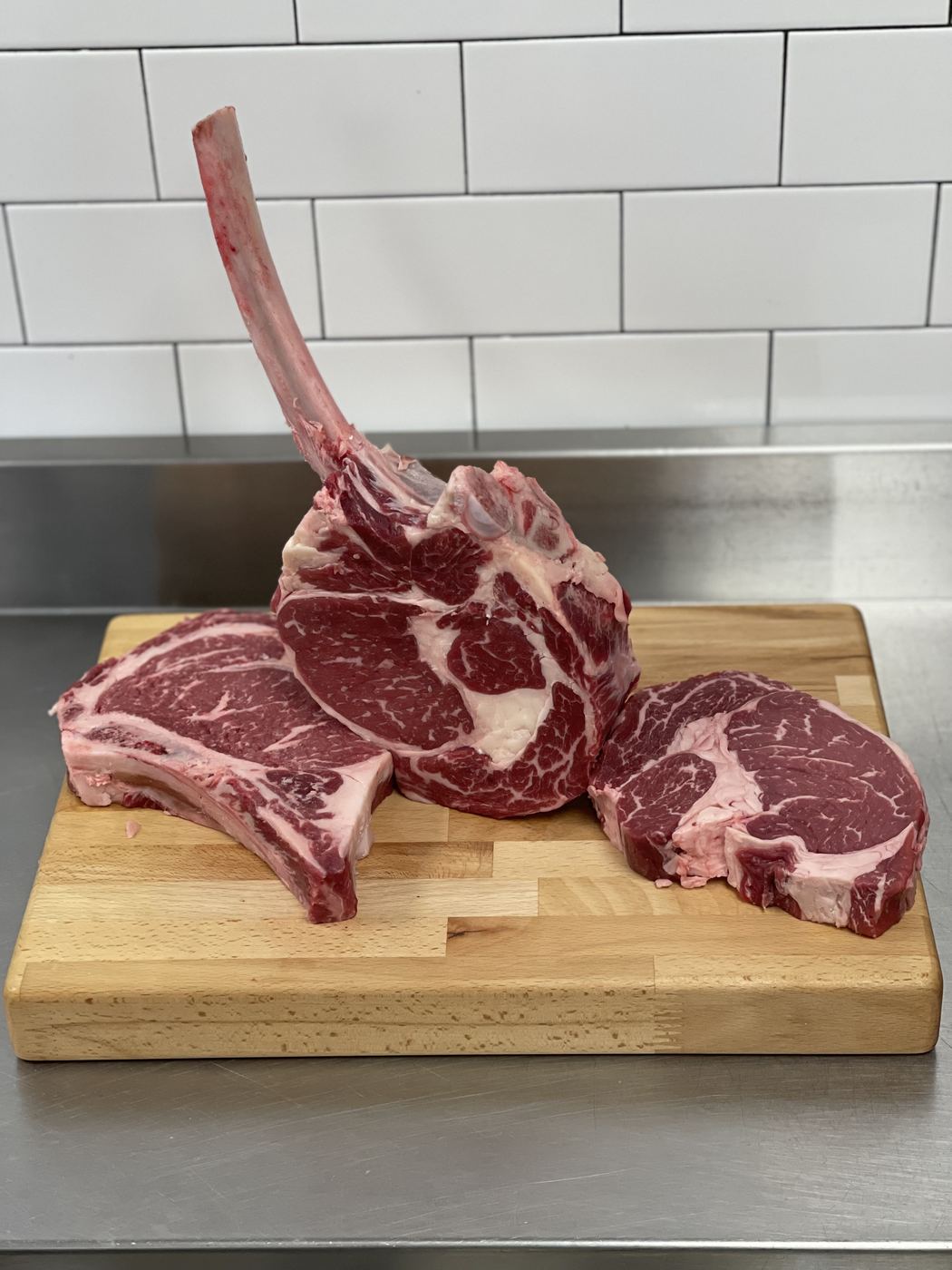

Yes, but not usually where you’re shopping. Genuinely nitrate-free deli meats exist mainly at artisan butcher counters and in home kitchens, not in most packaged “no nitrates added” products lining supermarket shelves. That’s because many packaged items labeled that way still rely on celery powder, celery juice, or other vegetable-derived sources that convert to the same nitrite chemistry as the synthetic preservatives they’re supposedly avoiding.
Your best move right now: stop trusting the front-of-package label and start reading the ingredient panel, or better yet, ask your deli counter directly how the meat is preserved.
- Look for short ingredient lists with recognizable food names, not extract blends.
- Ask whether cultured celery powder or juice was used, even if the package says “uncured.”
- Favor a deli counter or butcher shop that roasts, smokes, or seasons meat in-house rather than sourcing pre-cured products.
Key Takeaways
Truly nitrate-free deli meat requires reading past front-of-package claims, checking for celery-derived curing agents, and buying from a source willing to answer direct questions about preparation.
| Point | Details |
|---|---|
| “Uncured” isn’t proof | Many “no nitrates added” products still use celery powder, which functions like added nitrite. |
| Read the ingredient panel | Skip products listing sodium nitrite, sodium nitrate, or cultured celery powder as a curing agent. |
| Ask the deli three questions | Confirm whether it’s cured, made in-house, and what preserves it. |
| Processed meat risk is real but population-level | Studies link processed meat to higher colorectal cancer risk, based on observational data, not individual certainty. |
| Patsprimecuts offers a transparent local option | Hand-cut, in-house prepared meats let you ask directly about curing methods and get a straight answer. |
Table of Contents
- What Are Nitrates and Nitrites, Really?
- Why ‘Nitrate-Free’ and ‘Uncured’ Labels Can Be Misleading
- Does Eating Deli Meat Really Raise Cancer Risk?
- What Should You Actually Check Before Buying?
- Packaged, Deli Counter, or Homemade: Which Option Wins?
- Why Pat’s Prime Cuts Is Built for This Kind of Question
- Order Nitrate-Free Deli Meat Without the Label Guesswork
- Frequently Asked Questions
- Sources
What Are Nitrates and Nitrites, Really?
Nitrates and nitrites are nitrogen-based compounds that occur naturally in soil, water, and many vegetables, and are also manufactured as food preservatives. Sodium nitrite is the form most commonly added to cured meats; sodium nitrate slowly converts to nitrite over time and shows up more in traditional dry-cured products like some salamis.
The health concern isn’t the nitrite itself. It’s what nitrite can become. Under certain conditions, particularly high heat or an acidic stomach environment, nitrites react with compounds called amines to form nitrosamines, compounds the National Cancer Institute recognizes as relevant to cancer risk.
Here’s the distinction that trips up most shoppers: dietary nitrates from spinach, beets, and celery are chemically similar to added nitrites, but they arrive in a different nutritional package, often alongside antioxidants like vitamin C that can limit nitrosamine formation, according to Harvard Health.
Common sources you’ll see on labels include:
- Added synthetic preservatives: sodium nitrite, sodium nitrate, potassium nitrite
- Vegetable-derived sources: celery powder, celery juice concentrate, cultured celery extract
- Naturally occurring background nitrates: sea salt, beet powder
Manufacturers add these compounds for three reasons: they stop Clostridium botulinum spores from germinating, they lock in that pink cured color, and they contribute the tangy flavor you associate with ham and salami.
Why ‘Nitrate-Free’ and ‘Uncured’ Labels Can Be Misleading
The phrase “uncured” on a hot dog package sounds like a promise. It usually isn’t one. Most “uncured” or “no nitrates or nitrites added” deli meats use cultured celery powder specifically because it delivers nitrite chemistry through a loophole in labeling conventions, a practice documented in UNH Extension’s review of processed meat labeling.
You’ll typically see one of these phrases on packaging, and here’s what each actually means:
- “No nitrates or nitrites added except those naturally occurring in celery powder”: contains nitrites, just from a vegetable source instead of a lab-synthesized one.
- “Uncured”: means not cured with synthetic sodium nitrite specifically, but often still cured with vegetable-derived nitrate.
- “No preservatives added”: sometimes accurate, but check for celery powder or juice anyway, since some brands still use this phrase loosely.
NPR’s investigation into deli aisle labeling found this pattern widespread enough that regulators have taken notice, though no single strict definition currently governs these claims across the industry.
Pro Tip: Ask the deli counter three direct questions: “Do you cure this with any nitrites, including celery-based ones?” “Is this made in-house or shipped in pre-cured?” and “Can I see the ingredient list?” A staff member who answers confidently and consistently is a good sign. Vague or contradictory answers are not.
Does Eating Deli Meat Really Raise Cancer Risk?
Yes, the association is real, though it’s a population-level risk factor, not a guarantee for any one person. Multiple epidemiologic studies link regular processed meat consumption to higher colorectal cancer risk, a connection reviewed in research published via the National Center for Biotechnology Information.
That evidence comes from observational research, meaning scientists tracked eating patterns and health outcomes across populations rather than running controlled experiments on individuals. Two threads matter here:
- Mechanistic evidence: nitrosamines form under specific cooking and digestive conditions and are biologically plausible cancer contributors.
- Epidemiologic evidence: population studies show higher processed meat intake correlates with higher colorectal cancer rates, but correlation isn’t the same as a guaranteed individual outcome.
A more recent review of dietary nitrate and nitrite metabolism, available through PMC, notes real gaps remain in understanding exactly how much risk comes from nitrites versus other compounds generated during meat processing and high-heat cooking. The practical takeaway: limiting how often you eat heavily processed deli meats, regardless of nitrite source, is a reasonable move while the science continues to sharpen.
What Should You Actually Check Before Buying?
Start with the ingredient panel, not the marketing claim on the front. A genuinely low-intervention deli meat will have a short list you can read in five seconds: meat, salt, maybe a few spices. If you’re scanning past cultured celery powder, dextrose, and three kinds of extract, that’s not a clean label no matter what the package says up front.
Checklist for the ingredient panel:
- No sodium nitrite or sodium nitrate listed by name.
- No celery powder, celery juice, or “cultured vegetable” listed as a curing agent.
- Sea salt appears only as a seasoning, not disguised as the preservation method.
- Certifications like organic or Certified Humane appear where health and sourcing both matter to you.
Three questions worth asking at the counter:
- Was this product cured, and if so, with what?
- Is it made in-house or delivered pre-packaged from a supplier?
- How is it preserved without added nitrites, if that’s the claim?
Watch for these red flags: vague language like “all natural” with no specifics, an ingredient list longer than a paragraph, or staff who give a different answer than what’s printed on the case card.
Cutting preservatives doesn’t mean cutting corners on safety. Refrigerate deli meat at or below 40°F, use it within three to five days of opening, and freeze anything you won’t finish that week. Reduced-preservative meats spoil faster than heavily cured ones, so your storage habits matter more, not less.
Packaged, Deli Counter, or Homemade: Which Option Wins?
Each route gets you closer to nitrate-free, but with real tradeoffs.
Packaged “no nitrites added” products are convenient and shelf-stable, but as covered above, many still contain celery-derived nitrites. Read the fine print every time, since formulations vary by brand and even by product line within the same company.
Deli counter and artisan butcher options tend to offer the clearest path to a truly nitrate-free product, mainly because you can ask direct questions and get a direct answer from someone who actually made the food. In-house roasting and smoking without concentrated vegetable powders is standard practice at many independent butchers, a preparation method UNH Extension confirms tends to skip the curing-agent step entirely.

Homemade roast turkey or beef is the most reliable option if you have the time. Season a turkey breast or eye of round with salt, pepper, and herbs, roast to a safe internal temperature, chill fully, then slice thin. No curing agents required, and you control every ingredient. Store sliced portions in an airtight container for three to four days.
Some food innovators are also experimenting with antioxidant-rich plant extracts as preservation alternatives to nitrites, an area worth watching as more products may emerge from it. For a technical look at how one preservation experiment played out, Navigate Food’s natural preservative trial is a useful read on the tradeoffs involved.
Why Pat’s Prime Cuts Is Built for This Kind of Question
If you’re the type of shopper who wants a real answer instead of a marketing phrase, an artisan butcher shop is where you’ll get it. Patsprimecuts has hand-cut meat and made in-house preparations for over 70 years in Georgetown, which means the person behind the counter usually knows exactly what went into your order because they made it that morning.
Ask specifically: “Do you cure this with added nitrites, including celery-based ones?” and “Was this roasted or smoked in-house?” A shop with nothing to hide will answer both questions without hesitation, and can often show you the ingredient list on request.
Products like the homemade turkey breast and homemade roast beef are made fresh in-house rather than shipped in pre-cured, which is exactly the kind of preparation this article recommends looking for. The same transparency extends to the deli sandwiches built from those in-house meats.
Pro Tip: When you call ahead or visit, ask for the production date and confirm the item was made on-site rather than sourced from a third-party supplier. A shop that tracks this closely is one that takes the question seriously.
A Publisher’s Take on Convenience, Taste, and Risk
Label literacy matters more than any single ingredient scare. Reading past the front-of-package claim and asking direct questions gets you further than avoiding an entire food category out of caution.
That said, no single deli sandwich decides your health outcome. What you eat across weeks and months matters more than any one purchase, and nutrition researchers consistently point back to overall dietary pattern rather than isolated ingredients. Choosing an in-house artisan option when you can is simply the easier way to stack the deck in your favor.
Order Nitrate-Free Deli Meat Without the Label Guesswork
You’ve read the checklist. Now skip the part where you stand in a supermarket aisle squinting at an ingredient panel written in six-point font. Patsprimecuts hand-cuts and prepares meat in-house daily, so when you ask what went into your order, you get a straight answer from the person who made it, not a customer service line reading from a script.

Call ahead or stop into the shop and specify exactly what you want: “made without added nitrates or nitrites” or “no vegetable-derived curing agents.” Staff can walk you through what’s in the beef tenderloin or point you toward the homemade turkey breast if you’re after something ready to slice for sandwiches this week. Planning a gathering? The catering services page covers ordering nitrate-free platters for a crowd. Place your order today and ask for the ingredient list when you pick it up.
Frequently Asked Questions
Is “uncured” deli meat actually nitrate-free?
Not necessarily. Most “uncured” products still use celery powder or juice, which converts to nitrite in the same way synthetic preservatives do.
Are nitrate-free deli meats healthier?
They can reduce your intake of nitrosamine-forming compounds, but overall processed meat consumption and dietary pattern matter more than a single label claim.
Where can I actually buy nitrate-free lunch meat?
Artisan butcher shops and deli counters that roast or smoke meat in-house, or homemade roasts you prepare yourself, are your most reliable options.
What should I ask a deli counter to confirm no nitrites were used?
Ask whether the meat was cured, whether celery powder or juice was used, and whether it was made in-house or shipped in pre-cured.
Is nitrate-free deli meat safe to store the same way as regular deli meat?
Refrigerate it at or below 40°F and use it within three to five days, since products with fewer preservatives can spoil faster than heavily cured ones.

This article is general information, not a substitute for advice from a qualified doctor. Consult a qualified healthcare professional about your own circumstances before acting on anything here.
Sources
- Processed meats, deli meats, nitrates: what are recommendations (UNH Extension)
- Cancer
- Ncbi
- Pmc
- Nitrates in food and medicine — Harvard Health


