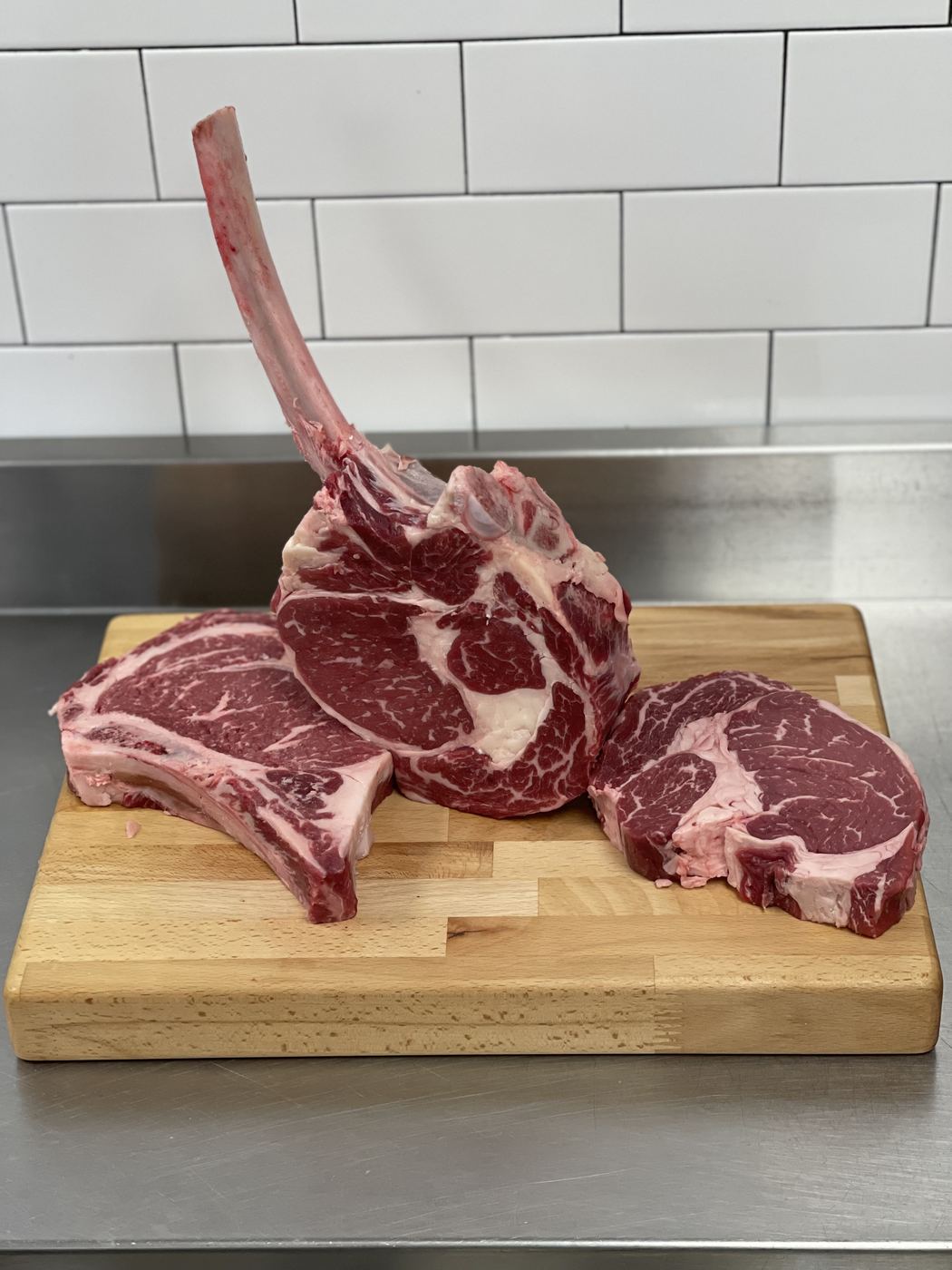

Buy about half a pound of raw, bone-in pork shoulder per person when pulled pork is the main dish, since cooking shrinks that weight significantly. If you’re loading up a buffet with sides, salads, and buns, you can reduce the raw amount per person accordingly. Either way, ordering from a butcher ahead of time means someone has already thought through the cut and the quantity for you.
TL;DR:
- Cooking shrinkage means you should buy about half a pound of raw, bone-in pork shoulder per person for main dishes like pulled pork, adjusting for sides and buffet setups.
- Yield for pork shoulder varies depending on bone-in or boneless cuts, fat trimming, and cooking method, affecting how much raw meat produces a serving.
- Ten pounds of raw pork shoulder typically yields enough for several sandwich or plated servings, but larger groups or leftovers require proportionally more raw meat.
- For best results, order from a butcher at least a week in advance and clarify cut type and trimming preferences to optimize yield and portioning.
- Estimating cooked yield carefully before shopping prevents underestimating the raw weight needed, especially since cook loss significantly impacts available servings.
Table of Contents
- How cook loss changes how much raw pork you need to buy
- How much pulled pork counts as one serving?
- Worked examples: what 5, 10, and 20 pounds of raw pork will feed
- Which cut to buy and how to prep it for the best yield
- What planners get wrong about portioning pulled pork
- Ordering pulled pork or catering through Pat’s Prime Cuts
- FAQ
How cook loss changes how much raw pork you need to buy
Pork shoulder loses weight as it cooks due to fat rendering, moisture evaporation, and bones not being served. This combined loss is called cook loss or raw-to-cooked yield, with a moderate portion of the starting weight retained once shredded.
The math is simple once you know your yield:
- Raw pounds × yield percentage = cooked pounds.
- Cooked pounds ÷ serving size (in pounds) = number of servings.
- A 10 pound raw shoulder at a moderate yield gives you a smaller amount of cooked pork.
Yield swings for a few predictable reasons:
- Bone-in cuts lose extra weight to the bone itself compared with boneless.
- Heavy trimming of the fat cap before cooking reduces starting weight but can tighten up the final yield percentage.
- Low-and-slow methods like a smoker or slow cooker tend to render more fat than a quick braise, pushing yield toward the lower end of that range.
Knowing your yield before you shop turns a guess into a calculation, which matters once you’re buying for more than a handful of people.
How much pulled pork counts as one serving?
The right serving size depends entirely on how you’re plating it. Here’s how to think through each format:
- Sandwich servings typically run a moderate amount of cooked pork per bun, a standard most delis and backyard cooks use.
- Plated dinners, where pulled pork is the centerpiece alongside sides like coleslaw and beans, call for a slightly larger portion of cooked pork per plate.
- Sliders and appetizer portions need smaller amounts of cooked pork, since guests usually sample several items.
- Buffets with multiple proteins or a long side-dish lineup let you plan toward the lower end of each range, since guests naturally take less of everything when there’s more to choose from.
- A mixed crowd of kids and adults can shift your overall average down, since children’s portions often run closer to half of an adult sandwich serving.
That buffer is cheap insurance against running out before the last guest has eaten, and leftover pulled pork freezes well if you overestimate.
Worked examples: what 5, 10, and 20 pounds of raw pork will feed
Once you know your yield and your serving size, converting a raw purchase weight into a guest count takes one calculation.
- 5 pounds raw yields less cooked weight, enough for several sandwich or plated servings.
- 10 pounds raw yields a moderate amount of cooked pork, covering a reasonable number of sandwich or plated servings.
- 20 pounds raw yields twice the cooked amount, sufficient for many sandwich or plated servings.
A typical 10 pound shoulder purchase converts to a reduced cooked yield, supplying a reasonable number of standard sandwiches. That single conversion is the one worth writing down before you place an order, since it scales linearly: double the raw weight, double the servings.
A few practical adjustments worth factoring in before you finalize a number:
- For catered events where guests expect seconds, consider adding extra raw weight proportionally to accommodate larger appetites.
- If you want deliberate leftovers for sandwiches or tacos the next day, increase your raw purchase accordingly.
- Mixed-format events (some plated, some buffet-style sliders) should use a blended serving size closer to 5 ounces cooked per person rather than picking one extreme.
Which cut to buy and how to prep it for the best yield
Pork shoulder, also sold as pork butt or Boston butt, is the standard cut for pulled pork, and for good reason. The muscle is heavily marbled with fat and threaded with connective tissue that breaks down into gelatin during a long, slow cook, which is exactly what makes shredded pork tender rather than dry. A leaner cut like pork loin will shred, but it dries out fast and lacks the same richness.
A few things to weigh before you order:
- Bone-in versus boneless affects both your starting weight and your final yield. Bone-in pork shoulder is often a better value per pound since the bone adds flavor during cooking, but you’ll need to buy slightly more raw weight to hit the same finished total compared with a boneless cut.
- Trimming the fat cap before cooking reduces smoke exposure to the fat but also reduces your total raw weight, so ask your butcher how much they trim before you calculate servings.
- Cook time takes several hours depending on method and size, so plan accordingly for a large shoulder cut.
Pro Tip: If you’re ordering from a local butcher or catering service for an event, place your order at least a week ahead, since custom-cut, larger shoulders often need to be set aside in advance.
What planners get wrong about portioning pulled pork

Most portioning advice treats pulled pork like it’s a fixed commodity: pick a number, multiply by guest count, done. That ignores the single biggest variable in the whole calculation, which is cook loss.
The conventional advice also tends to flatten serving style into one number, as if a backyard sandwich bar and a seated plated dinner need the same amount of meat per guest. They don’t, and the gap between 4 ounces and 8 ounces per person compounds fast once you’re feeding dozens of people.
If there’s one thing worth prioritizing, it’s doing the yield math before you shop rather than after you’ve already bought the meat. A raw weight that looks generous on the package can turn into a disappointing tray once it’s shredded, and there’s no fixing that after the fact.
— cloudsprout
Ordering pulled pork or catering through Pat’s Prime Cuts
If the math above has you leaning toward letting someone else handle the shopping and the shoulder, we’ve got you covered. We hand-cut pork shoulder fresh and can walk you through bone-in versus boneless based on your guest count and serving style, rather than leaving you to guess at a yield percentage on your own.

Our custom cuts and full-service catering cover everything from a backyard sandwich bar to a full plated event, and because every order is cut and prepped to your specifications, we can talk through portion sizes before you commit to a quantity. For events, we recommend placing your order at least a week out so we can set aside the right size shoulder and confirm timing. Reach out through our catering services page to get a quote or lock in a date.
FAQ
How many people will 10 pounds of pulled pork feed?
Ten pounds of raw pork shoulder, after cooking, yields a moderate amount of finished pulled pork sufficient for several sandwich servings or plated dinners.
Is 10 pounds of raw pork enough for 30 people?
Ten pounds raw converts to a cooked amount covering a moderate number of sandwich-style servings. For larger groups eating sandwiches as the main dish, plan on buying more raw pork shoulder accordingly.
How many servings are in 5 pounds of pulled pork?
If “5 pounds” refers to raw weight, the cooked yield will be less, enough for several sandwich or plated servings. If 5 pounds refers to cooked weight, it corresponds to more sandwich servings.
How much raw pork do I need per person for pulled pork?
A solid baseline is around half a pound of raw, bone-in pork shoulder per person when pulled pork is the main dish. For buffets with multiple sides or a mixed crowd, a smaller raw amount per person suffices.
What’s the best cut of pork to buy for pulled pork?
Pork shoulder, also called pork butt, is the standard choice because its fat and connective tissue break down into tender, shreddable meat during a long cook. Leaner cuts like pork loin will shred but tend to dry out and lack the same richness.


